


 French
 Spanish
 Russian
: Tours and Excursion
Attention!!! There are tours with discounts.
Lake Natron
Lake Natron is a salt lake located in northern Tanzania, near the border with Kenya. Known for its striking red hue and extreme alkalinity, the lake is a unique destination for an Eco and Wildlife tour or a Sightseeing Nature tour. The lake's harsh conditions make it inhospitable for most species, but it is a vital breeding ground for flamingos.
History & Origins
The lake was formed millions of years ago as part of the East African Rift Valley. Its high salinity and alkalinity are due to volcanic ash from nearby Ol Doinyo Lengai, the only active volcano in the region. The lake's name comes from the mineral natron, a naturally occurring compound found in its waters.
Lake Natron has been a critical habitat for lesser flamingos, which flock to the lake to breed. The lake's isolation and extreme conditions have preserved its unique ecosystem, making it a subject of scientific interest. Despite its harsh environment, the lake supports a variety of microorganisms that thrive in its saline waters.
Architecture & Features
The lake covers an area of approximately 1,040 square kilometers and is less than 3 meters deep. Its red color comes from cyanobacteria, which thrive in the salty water. The surrounding landscape is arid and rugged, with volcanic peaks and hot springs. The lake's shores are often covered in a crust of salt, creating a surreal, otherworldly appearance.
Visitors can explore the lake's perimeter, but swimming is not recommended due to the high alkalinity. The best views of the lake are from the air or nearby vantage points. The area is also home to Maasai communities, who have adapted to the harsh environment.
Legends & Facts
1. The lake's red color is caused by microorganisms that thrive in its salty waters.
2. Flamingos are one of the few species that can tolerate the lake's extreme conditions.
3. The lake's waters can reach temperatures of up to 60 degrees Celsius.
Tourist Tips
Visit during the dry season (June to October) for the best views of the flamingos. Wear sturdy shoes and bring plenty of water, as the area is remote and temperatures can be extreme. A 4x4 vehicle is recommended for accessing the lake.
Nearby
- Ol Doinyo Lengai - An active volcano known as the 'Mountain of God' by the Maasai.
- Serengeti National Park - One of Africa's most famous wildlife reserves.
- Ngorongoro Crater - A UNESCO World Heritage Site with abundant wildlife.
- Engaruka - An ancient archaeological site with mysterious ruins.
- Arusha - A bustling city and gateway to Tanzania's northern safari circuit.
Practical FAQ for Travelers
What are the opening hours?
The lake is accessible year-round, but the best time to visit is during daylight hours.
What is the best time to visit?
The dry season (June to October) offers the best wildlife viewing opportunities.
How long does a visit take?
A half-day visit is sufficient to explore the lake's main attractions.
Are photos allowed?
Yes, photography is permitted, but drones may require special permission.
Is the lake accessible for kids?
Yes, but the harsh environment may not be suitable for very young children.
Is there a dress code?
Light, breathable clothing and sun protection are recommended.
Lake Natron: Private tours and Excursions. Hurry up and book a tour with a discount.
-
Special Offer!
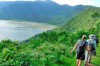
Walking tour in Arusha - Walking safari tour via Empakai crater to Lake Natron 2026 prices
Trekking tour from Empakai Ngorongoro to Lake Natron via Oldonyo Lengai is an exclusive off-the-beaten-path expedition. Also, this is an affordable Ta
Quick tours search
Tour Categories
- Any tour category
- Adventure tour
- Arts and Crafts tour
- Boating and Sailing tour
- Children's tour
- Culture and History tour
- Diving tour
- Eco and Wildlife tour
- Excursion
- Expedition
- Fishing tour
- Gourmet & Cooking tour
- Hiking tour
- Hunting tour
- Jeep tour
- Private tour
- Railway trip
- Safari
- Shopping tour
- Sightseeing Nature tour
- Trekking tour
- Walking tour
- Wine tasting tour
Private Guide in China

Harris
Private Guide in Shanghai
Looking for the best guide to take you through the beautiful city of Shanghai? Harris is just the man you need! Read more
Tour in India

Private tour in Jaipur
Morning visit the world famous beautiful Taj Mahal built by the Moghul Emperor Shahjehan in 1630 for his beloved Queen Mumtaz Mahal to enshrine her mortal remains. Taj Mahal was built in 20 years and over 20,000 worker had worked in constructing it. Read more