


 French
 Spanish
 Russian
: Tours and Excursion
Attention!!! There are tours with discounts.
Machu Picchu
Machu Picchu is a 15th-century Inca citadel located in the Eastern Cordillera of southern Peru, on a 2,430-meter (7,970 ft) mountain ridge. Often referred to as the 'Lost City of the Incas', it is the most familiar icon of the Inca Empire. Built in the classical Inca style, with polished dry-stone walls, its three primary structures are the Intihuatana, the Temple of the Sun, and the Room of the Three Windows. Most of the outlying buildings have been reconstructed to give tourists a better idea of how they originally appeared.
History & Origins
Machu Picchu was constructed around 1450, at the height of the Inca Empire. It was abandoned just over 100 years later, in 1572, as a belated result of the Spanish Conquest. Although known locally, it was not known to the Spanish during the colonial period and remained unknown to the outside world until American historian Hiram Bingham brought it to international attention in 1911.
The site was built as an estate for the Inca emperor Pachacuti (1438–1472). Often mistakenly referred to as the 'Lost City of the Incas', it is the most familiar icon of Inca civilization. The Incas built the estate around 1450 but abandoned it a century later at the time of the Spanish Conquest. Although known locally, it was not known to the Spanish during the colonial period and remained unknown to the outside world until American historian Hiram Bingham brought it to international attention in 1911.
Machu Picchu was built in the classical Inca style, with polished dry-stone walls. Its three primary structures are the Intihuatana, the Temple of the Sun, and the Room of the Three Windows. Most of the outlying buildings have been reconstructed to give tourists a better idea of how they originally appeared. By 1976, 30% of Machu Picchu had been restored and restoration continues.
Architecture & Features
Machu Picchu is a stunning example of Inca engineering and architecture. The site is divided into two main areas: the agricultural sector, which includes a series of terraces, and the urban sector, which contains temples, palaces, and other structures. The buildings are constructed from precisely cut stones fitted together without mortar, a technique known as ashlar masonry.
The Intihuatana stone, one of the most famous features of Machu Picchu, is a ritual stone associated with the astronomic clock or calendar of the Inca. The Temple of the Sun is another highlight, featuring a curved wall and trapezoidal windows that align with the solstices. The Room of the Three Windows is believed to have symbolic significance, representing the three levels of the Inca world: the underworld, the earthly realm, and the heavens.
Legends & Facts
One of the enduring mysteries of Machu Picchu is its purpose. While it is widely believed to have been a royal estate for Pachacuti, some theories suggest it may have served as a religious sanctuary or a military stronghold. The absence of any written records from the Inca has left much of the site's history open to interpretation.
Another fascinating aspect of Machu Picchu is its sophisticated water management system. The site features a series of fountains and channels that supplied fresh water to the inhabitants. The engineering prowess required to construct such a system on a mountain ridge is a testament to the Inca's advanced knowledge of hydraulics.
The discovery of Machu Picchu by Hiram Bingham in 1911 was a stroke of luck. Bingham was actually searching for Vilcabamba, the last refuge of the Inca during the Spanish Conquest. Local farmers guided him to the overgrown ruins, which had been largely forgotten by the outside world.
Tourist Tips
Visiting Machu Picchu requires careful planning. The site is accessible by train from Cusco to Aguas Calientes, followed by a bus ride up the mountain. Alternatively, adventurous travelers can hike the Inca Trail, a four-day trek that culminates at the Sun Gate overlooking Machu Picchu.
To avoid the crowds, it's best to arrive early in the morning or later in the afternoon. The site is busiest between 10:00 AM and 2:00 PM. Guided tours are available and highly recommended to fully appreciate the historical and architectural significance of the site.
Nearby
- Huayna Picchu: The steep mountain overlooking Machu Picchu, offering breathtaking views for those who brave the climb.
- Aguas Calientes: The gateway town to Machu Picchu, known for its hot springs and vibrant market.
- Sacred Valley: A region of stunning landscapes and Inca ruins, including the sites of Pisac and Ollantaytambo.
- Cusco: The historic capital of the Inca Empire, filled with colonial architecture and archaeological sites.
- Moray: An Inca archaeological site featuring circular terraces believed to have been used for agricultural experiments.
Practical FAQ for Travelers
What are the opening hours?
Machu Picchu is open from 6:00 AM to 5:00 PM daily. Entry is limited to a certain number of visitors per day, so advance tickets are recommended.
Is there an entrance fee?
Yes, tickets cost approximately 152 PEN for adults and 70 PEN for students. Additional fees apply for hiking Huayna Picchu or Machu Picchu Mountain.
What is the best time to visit?
The dry season (May to October) is the best time to visit, as the weather is more predictable and the trails are less slippery.
Are guided tours available?
Yes, guided tours are available and can be booked in advance or in Aguas Calientes. They provide valuable insights into the site's history and significance.
Is the site accessible for wheelchair users?
Due to the steep terrain and uneven steps, Machu Picchu is not fully accessible for wheelchair users. However, some areas can be visited with assistance.
Are photography and videography allowed?
Yes, photography for personal use is allowed, but tripods and drones are prohibited. Commercial photography requires special permission.
Machu Picchu: Private tours and Excursions. Hurry up and book a tour with a discount.
-
Adventure tour in Puno - Andean Peru adventure
Type Service: Group and private Tour Itinerary: Fixed Destinations: Lima, Amazon, Cusco, Machu Picchu, Puno Activities: Cultural and History,Family -
Special Offer!
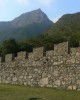
Private tour in Lima - Hidden Treasures of Machu Picchu Private Tour.
Hidden Treasures of Machu Picchu – 6 days Explore Peru’s mixture of colonial and Inca architecture: This itinerary offers you the c -
Special Offer!

Adventure tour in Cusco - Inca Jungle to Machu picchu
The Inca jungle tour is an exclusive adventure journey of 4 days that combines trekking, mountain biking, rafting and zip line as an optional possibil -
Special Offer!
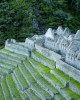
Adventure tour in Lima - Private Inca Trail Machu Picchu
Inka trail to Machu Picchu 4D/3N This trek combines Inca ruins, original Inca trail, Inca steep(up and down), ecological zones with exuberant and div
Machu Picchu: Tour Guides
-

Tour Guide in Cusco - Hernan
My name is Hernan. I am 35 years old. I was born in the town of Urubamba, Machu Picchu, 100% Local Guide. EXPLORE LIKE A LOCAL. I make the arrangements for ou
Machu Picchu: Articles
-

Veg Voyages - vegetarian and vegan travel
Do you love to travel but find that your vegetarian lifestyle makes it difficult to enjoy the culinary aspect of your journeys? Well, not anymore! You have fou
Quick tours search
Tour Categories
- Any tour category
- Adventure tour
- Arts and Crafts tour
- Boating and Sailing tour
- Children's tour
- Culture and History tour
- Diving tour
- Eco and Wildlife tour
- Excursion
- Expedition
- Fishing tour
- Gourmet & Cooking tour
- Hiking tour
- Hunting tour
- Jeep tour
- Private tour
- Railway trip
- Safari
- Shopping tour
- Sightseeing Nature tour
- Trekking tour
- Walking tour
- Wine tasting tour
Private Guide in Korea South
Charlie
Private Guide in Seoul
I have live in Seoul. In Seoul, I’ve sought out the most interesting temples, gardens, nightlife districts and fascinating urban landscapes. Read more
Tour in Kenya
7-Day Explore Wildlife Samburu Great Rift Valley Lakes
Safari in Nairobi
Samburu National Reserve is situated about 350 kms north of Nairobi in the semi arid part of Kenya. Ewaso Nyiro River, bisects the reserve and the river is home to some of the biggest Reptiles in the region and attracts a good number of birds.
Read more