


 French
 Spanish
 Russian
: Tours and Excursion
Attention!!! There are tours with discounts.
Malbork Castle
Malbork Castle is a 13th-century Teutonic castle and fortress located near the town of Malbork, Poland. It is the largest castle in the world measured by land area and a classic example of medieval fortress architecture. The castle was designated a UNESCO World Heritage Site in 1997.
History & Origins
The castle was founded in 1274 by the Teutonic Order, a German Roman Catholic religious order of crusaders, during their conquest of Prussia. Originally called Marienburg (Mary's Castle), it served as the order's headquarters from 1309 to 1457.
During the Thirteen Years' War (1454-1466), the castle was sold to King Casimir IV of Poland and became one of several Polish royal residences. It was severely damaged during World War II but has been meticulously restored.
The castle complex covers approximately 52 acres (21 hectares) and consists of three separate castles - the High, Middle and Lower Castles - separated by multiple dry moats and towers.
Architecture & Features
The castle is built in the Brick Gothic style, using about 12 million bricks. The High Castle contains the order's main church, chapter house, and dormitories. The Middle Castle housed the Grand Master's palace and guest rooms.
The castle's Great Refectory is one of the largest medieval halls in Europe, measuring 30 meters long and 15 meters wide. The castle's defense system included multiple walls, towers, and gates.
Legends & Facts
The castle's amber collection was one of the largest in medieval Europe, as the Teutonic Knights controlled the amber trade.
During the 1410 Battle of Grunwald, the castle was one of the few Teutonic strongholds to withstand the Polish-Lithuanian siege.
The castle's heating system was advanced for its time, using a hypocaust system to distribute heat from central furnaces.
Tourist Tips
Allow at least 3-4 hours to explore the entire complex. Audio guides are available in multiple languages. The castle is especially impressive when illuminated at night.
Nearby
- Malbork Town Hall - Gothic-Renaissance building in the town center.
- Nogat River - Scenic river perfect for walks along its banks.
- Malbork Railway Station - Historic station building from 1891.
- St. John the Baptist Church - Gothic church in Malbork town.
- Malbork Castle Museum - Exhibits on the castle's history and artifacts.
Practical FAQ for Travelers
What are the opening hours?
9 AM to 7 PM in summer (April-September), 10 AM to 3 PM in winter.
How much are tickets?
About 40 PLN (10 Euro) for adults, discounts available.
Are guided tours available?
Yes, in multiple languages (additional fee).
Is photography allowed?
Yes, except in some special exhibition areas.
Is the castle wheelchair accessible?
Partial access only due to medieval architecture.
What's the best time to visit?
Weekday mornings to avoid crowds.
Malbork Castle: Private tours and Excursions. Hurry up and book a tour with a discount.
-
Special Offer!
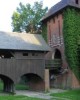
Private tour in Gdansk - Old Gdansk & Malbork Castle
Before starting our private tour in Gdansk we will pick you up from the hotel you’re staying at or from the pier. During the tour we w
Quick tours search
Tour Categories
- Any tour category
- Adventure tour
- Arts and Crafts tour
- Boating and Sailing tour
- Children's tour
- Culture and History tour
- Diving tour
- Eco and Wildlife tour
- Excursion
- Expedition
- Fishing tour
- Gourmet & Cooking tour
- Hiking tour
- Hunting tour
- Jeep tour
- Private tour
- Railway trip
- Safari
- Shopping tour
- Sightseeing Nature tour
- Trekking tour
- Walking tour
- Wine tasting tour
Private Guide in Ethiopia

Yonas
Private Guide in Addis Ababa
I taught for seven years in different parts of the country. Then I decided to go to school to study tourism. There, I got what my real soul is and for what purpose am created for! Read more
Tour in United States
Private tour in New York
We will stop on our tour for pizza and at Roccos famous Italian bakery. See the brownstones, and sights where tv shows like Friends and Sex and The City were filmed. From Greenwich Village we head to the east village to visit Washington Square Park, New York University, and then make our way to Soho. Read more