


 French
 Spanish
 Russian
Italy : Tours and Excursion
Medieval Buildings of Ortygia
The Medieval Buildings of Ortygia are a collection of structures from the medieval period located on the island of Ortygia in Syracuse, Italy. These buildings reflect the island's rich history during the Norman, Swabian, and Aragonese rule.
History & Origins
Ortygia's medieval buildings date from the 11th to the 15th centuries, a period marked by the island's strategic importance under various rulers. The Normans, who conquered Sicily in the 11th century, left a significant architectural legacy, including fortifications and churches.
The Swabian and Aragonese periods saw further development, with the construction of palaces, public buildings, and defensive structures. These buildings often incorporated elements from earlier Roman and Byzantine structures, creating a unique blend of architectural styles.
The Medieval Buildings of Ortygia are a testament to the island's role as a political and cultural hub during the Middle Ages. Their preservation allows visitors to step back in time and experience the island's medieval heritage.
Architecture & Features
The medieval buildings feature a mix of Norman, Gothic, and Catalan architectural styles. Key features include pointed arches, ribbed vaults, and decorative stonework. Many buildings were constructed using local limestone, giving them a distinctive golden hue.
Notable structures include the Palazzo Bellomo, a 13th-century palace with a mix of Norman and Gothic elements, and the Church of Santa Maria della Concezione, which showcases Catalan Gothic architecture. The medieval quarter's narrow streets and fortified walls add to the historical ambiance.
Legends & Facts
One legend associated with the medieval buildings is the story of Queen Constance of Aragon, who is said to have stayed in the Palazzo Bellomo during her visit to Syracuse.
Another fact is that many of the medieval buildings were adapted during the Baroque period, blending medieval and Baroque architectural elements.
The medieval quarter's layout, with its winding streets and hidden courtyards, was designed for defense against invaders.
Tourist Tips
Start your exploration at the Palazzo Bellomo, which now houses the Regional Gallery of Art. A walking tour of the medieval quarter is the best way to appreciate the architecture and history. Don't miss the Church of Santa Maria della Concezione and the medieval fortifications along the waterfront.
Nearby
- Palazzo Bellomo: A 13th-century palace with a mix of Norman and Gothic architecture.
- Church of Santa Maria della Concezione: A Catalan Gothic church with stunning interiors.
- Medieval Quarter: A maze of narrow streets and hidden courtyards.
- Castello Maniace: A medieval fortress with panoramic views.
- Piazza del Duomo: A Baroque square with the Cathedral of Syracuse.
Practical FAQ for Travelers
What are the opening hours?
Most medieval buildings are open from 9 AM to 6 PM, but hours may vary.
Is there an entrance fee?
Some sites require a ticket, while others are free to visit.
What is the best time to visit?
Early morning or late afternoon to avoid crowds.
Are the sites accessible for children?
Yes, but some areas may have uneven surfaces or stairs.
Is photography allowed?
Yes, photography is permitted, but flash may be restricted in some areas.
Are pets allowed?
Pets are generally not allowed inside the buildings.
Medieval Buildings of Ortygia: Private tours and Excursions.
-
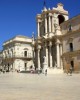
Culture and History tour in Siracusa - Half Day Walking Tour of Ortygia
"Alpheios’ sacred stream, precious gem of the great Siracusa, Ortygia, altar of Artemis" (Pindar, "The Nemean Odes") The island of Ortygia was
Quick tours search
Tour Categories
- Any tour category in Italy
- Arts and Crafts tour in Italy
- Boating and Sailing tour in Italy
- Culture and History tour in Italy
- Excursion in Italy
- Gourmet & Cooking tour in Italy
- Private tour in Italy
- Railway trip in Italy
- Shopping tour in Italy
- Sightseeing Nature tour in Italy
- Trekking tour in Italy
- Walking tour in Italy
- Wine tasting tour in Italy
Private Guide in Greece
Angelo
Private Guide in Katerini
I can make your hiking, beach bar hopping and educational experience one of a kind! You will learn everything you ever wondered about this beautiful country. Read more