


 French
 Spanish
 Russian
Morocco : Tours and Excursion
History & Origins
The Medina of Marrakech is the old city, a UNESCO World Heritage Site, and one of the most vibrant and historic areas in Morocco. Founded in the 11th century by the Almoravid dynasty, the Medina has been the heart of Marrakech for centuries. It served as a major trading hub and cultural center, attracting merchants, scholars, and artisans from across North Africa and beyond.
The Medina is surrounded by ancient walls, which were built to protect the city from invasions. Over the years, the Medina has grown and evolved, but it has retained its traditional character and charm.
Today, the Medina is a bustling area filled with narrow alleyways, bustling souks, and historic landmarks. It is a must-visit for anyone traveling to Marrakech.
Architecture & Features
The Medina is a maze of narrow streets and alleys, lined with traditional Moroccan houses known as riads. These houses often feature central courtyards, intricate tile work, and carved wooden doors. The architecture reflects the rich cultural heritage of Morocco, blending Berber, Arab, and Andalusian influences.
One of the most iconic features of the Medina is the Jemaa el-Fnaa square, a lively gathering place filled with street performers, food stalls, and market vendors. The square comes alive at night, offering a unique sensory experience.
Legends & Facts
One of the most famous legends associated with the Medina is the story of the Koutoubia Mosque's minaret. According to local lore, the minaret was originally covered in gold, which was later stripped away by invaders.
Another interesting fact is that the Medina was once home to a thriving Jewish community, which left behind several historic synagogues and cemeteries.
The Medina has also been a filming location for numerous movies and TV shows, thanks to its picturesque streets and historic ambiance.
Practical FAQ for Travelers
What are the opening hours?
The Medina is open 24/7, but individual shops and attractions may have their own hours.
Is there an entrance fee?
There is no entrance fee to explore the Medina, but some attractions within it may charge admission.
What is the best time to visit?
The best time to visit is early in the morning or late in the afternoon to avoid the heat and crowds.
Are there any dress code requirements?
Visitors are advised to dress modestly, covering shoulders and knees, as a sign of respect for the local culture.
Is the Medina accessible for people with disabilities?
The narrow and uneven streets may make it difficult for wheelchair users to navigate.
Tourist Tips
When exploring the Medina, it's easy to get lost in the maze of streets. It's a good idea to carry a map or use a GPS app. Be prepared to haggle when shopping in the souks, as bargaining is a common practice. Also, be mindful of your belongings, as the area can be crowded.
Nearby
- Jemaa el-Fnaa - A vibrant square filled with street performers and food stalls.
- Koutoubia Mosque - A stunning example of Islamic architecture with a towering minaret.
- Ben Youssef Madrasa - A historic Islamic school with beautiful tile work and carvings.
- Marrakech Museum - A museum housed in a former palace, showcasing Moroccan art and history.
- El Badi Palace - The ruins of a once-lavish palace built by Sultan Ahmad al-Mansur.
Medina: Private tours and Excursions.
-
Walking tour in Marrakech - 3 Hours Marrakech Souks (Markets)
Get ready to immerse yourself in the rich cultural tapestry and historical wonders of this enchanting destination. In this 3-hour walking tour, we
Quick tours search
Tour Categories
- Any tour category in Morocco
- Adventure tour in Morocco
- Arts and Crafts tour in Morocco
- Culture and History tour in Morocco
- Excursion in Morocco
- Expedition in Morocco
- Gourmet & Cooking tour in Morocco
- Hiking tour in Morocco
- Jeep tour in Morocco
- Private tour in Morocco
- Safari in Morocco
- Shopping tour in Morocco
- Sightseeing Nature tour in Morocco
- Walking tour in Morocco
Private Guide in Morocco

Mustapha
Private Guide in Marrakech
My name is Mustapha. I am your guide and will support you during the tour. I promise you are going to enjoy your stay here in Morocco. This is a beautiful, quiet country where ... Read more
Tour in Kenya
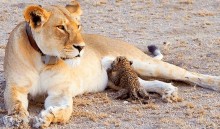
7-Day Explore Wildlife Samburu Great Rift Valley Lakes
Safari in Nairobi
Samburu National Reserve is situated about 350 kms north of Nairobi in the semi arid part of Kenya. Ewaso Nyiro River, bisects the reserve and the river is home to some of the biggest Reptiles in the region and attracts a good number of birds.
Read more