


 French
 Spanish
 Russian
: Tours and Excursion
Attention!!! There are tours with discounts.
Oldonyo Lengai foothill
The Oldonyo Lengai foothill is the base area leading to the active volcano Oldonyo Lengai, known as the 'Mountain of God' in the Maasai language. This region is characterized by its unique volcanic landscapes and is a significant geological site.
History & Origins
Oldonyo Lengai is the only active volcano in the world that erupts natrocarbonatite lava, a rare type of lava that is cooler and more fluid than typical silicate lava. The volcano has been active for centuries, with recorded eruptions dating back to the 19th century.
The foothill area has long been used by the Maasai people for rituals and ceremonies, given the spiritual significance of the mountain. The region's geological formations provide valuable insights into volcanic activity and earth sciences.
Architecture & Features
The foothill area is marked by rugged terrain, volcanic ash plains, and occasional lava flows. The landscape is stark yet beautiful, with sparse vegetation and dramatic views of the volcano.
The area is also home to unique mineral formations and geothermal features, making it a fascinating destination for geology enthusiasts.
Legends & Facts
Oldonyo Lengai is considered sacred by the Maasai people, who believe it is the home of their god, Engai. Rituals and offerings are often made at the foothill to appease the deity.
The volcano's eruptions are relatively non-explosive, but the lava flows can reshape the landscape dramatically over time.
Tourist Tips
Visitors should wear sturdy hiking boots and carry plenty of water, as the terrain is rough and the climate can be harsh. The best time to visit is during the cooler months of June to August.
Nearby
- Lake Natron: A saline lake known for its flamingo populations and striking red waters.
- Ngorongoro Conservation Area: A UNESCO World Heritage Site with abundant wildlife.
- Engaruka Ruins: The remains of an ancient agricultural settlement.
- Mount Meru: Tanzania's second-highest mountain, offering challenging hikes.
- Arusha National Park: A smaller park with diverse landscapes and wildlife.
Practical FAQ for Travelers
What is the best time to visit?
The cooler months from June to August are ideal for visiting.
Are there any entry fees?
Access to the foothill area may require a permit, depending on the route taken.
Is the area accessible for children?
The terrain is rugged, so it may not be suitable for very young children.
What should I wear?
Sturdy hiking boots and light, breathable clothing are recommended.
Can I take photos?
Yes, photography is allowed, but respect local customs and sacred sites.
Oldonyo Lengai foothill: Private tours and Excursions. Hurry up and book a tour with a discount.
-
Special Offer!
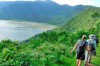
Walking tour in Arusha - Walking safari tour via Empakai crater to Lake Natron 2026 prices
Trekking tour from Empakai Ngorongoro to Lake Natron via Oldonyo Lengai is an exclusive off-the-beaten-path expedition. Also, this is an affordable Ta
Quick tours search
Tour Categories
- Any tour category
- Adventure tour
- Arts and Crafts tour
- Boating and Sailing tour
- Children's tour
- Culture and History tour
- Diving tour
- Eco and Wildlife tour
- Excursion
- Expedition
- Fishing tour
- Gourmet & Cooking tour
- Hiking tour
- Hunting tour
- Jeep tour
- Private tour
- Railway trip
- Safari
- Shopping tour
- Sightseeing Nature tour
- Trekking tour
- Walking tour
- Wine tasting tour
Private Guide in Morocco

Mustapha
Private Guide in Marrakech
My name is Mustapha. I am your guide and will support you during the tour. I promise you are going to enjoy your stay here in Morocco. This is a beautiful, quiet country where ... Read more
Tour in New Zealand
Private tour in Auckland
Looking forward to have some great time on the beach? Want to discover the fruitful wine industry of the Auckland area? Well, with this private tour in Auckland you will enjoy both these great activities during a single day! Read more