


 French
 Spanish
 Russian
: Tours and Excursion
Attention!!! There are tours with discounts.
Ol Doinyo Lengai
Ol Doinyo Lengai, meaning 'Mountain of God' in the Maasai language, is an active volcano located in the Gregory Rift of Tanzania. It is unique for being the only volcano in the world that erupts natrocarbonatite lava, which is cooler and flows like water compared to typical silicate lava.
History & Origins
Ol Doinyo Lengai has been active for thousands of years, with recorded eruptions dating back to the 19th century. The volcano holds great cultural significance for the Maasai people, who consider it a sacred site and often perform rituals at its base.
The volcano's most recent major eruption occurred in 2007-2008, which dramatically altered its summit crater. Despite its activity, Ol Doinyo Lengai remains a popular destination for adventurous travelers and geologists.
The surrounding landscape, part of the East African Rift Valley, is characterized by vast plains, other volcanic peaks, and the nearby Lake Natron, a critical breeding ground for flamingos.
Architecture & Features
Ol Doinyo Lengai stands at 2,962 meters (9,718 feet) and has a steep, conical shape. Its natrocarbonatite lava is black when molten but turns white upon exposure to moisture, giving the volcano a distinctive ashy appearance.
The summit crater is relatively small but highly active, with frequent gas emissions and occasional lava flows. The volcano's slopes are rugged and barren, with little vegetation due to the harsh volcanic environment.
Legends & Facts
The Maasai believe that Ol Doinyo Lengai is the home of their god, Engai, and that eruptions are a sign of his displeasure.
The volcano's lava is so cool (around 500-600°C) that it can be studied up close without the extreme heat hazards of other volcanoes.
Ol Doinyo Lengai's eruptions are often explosive, sending ash plumes high into the sky and creating dramatic lava fountains.
Tourist Tips
Climbing Ol Doinyo Lengai is a challenging but rewarding experience, best attempted with a local guide. The ascent typically starts at night to avoid the intense daytime heat and to reach the summit at sunrise for breathtaking views.
Nearby
- Lake Natron - A saline lake known for its pink flamingo populations and otherworldly landscapes.
- Ngorongoro Crater - A UNESCO World Heritage Site and one of Africa's most famous wildlife destinations.
- Mount Kilimanjaro - Africa's highest peak, located a few hundred kilometers to the northeast.
- Serengeti National Park - Famous for its annual wildebeest migration and abundant wildlife.
- Engaruka Ruins - The remains of an ancient agricultural civilization near the volcano.
Practical FAQ for Travelers
Is it safe to climb Ol Doinyo Lengai?
Climbing is possible but requires a guide due to the volcano's activity and challenging terrain. Check current conditions before attempting.
What is the best time to visit?
The dry seasons (June-October and December-February) offer the best conditions for climbing and sightseeing.
How long does the climb take?
The ascent typically takes 5-7 hours, with a similar time for the descent. Start at midnight to reach the summit at dawn.
What should I bring?
Sturdy hiking boots, warm clothing (temperatures drop at night), plenty of water, and a flashlight are essential.
Are there any fees or permits required?
Yes, climbing permits and guide fees are required. These can be arranged through local tour operators.
Is the area accessible for visitors with disabilities?
The rugged terrain and active volcanic environment make it unsuitable for visitors with mobility challenges.
Ol Doinyo Lengai: Private tours and Excursions. Hurry up and book a tour with a discount.
-
Special Offer!
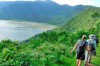
Walking tour in Arusha - Walking safari tour via Empakai crater to Lake Natron 2026 prices
Trekking tour from Empakai Ngorongoro to Lake Natron via Oldonyo Lengai is an exclusive off-the-beaten-path expedition. Also, this is an affordable Ta
Quick tours search
Tour Categories
- Any tour category
- Adventure tour
- Arts and Crafts tour
- Boating and Sailing tour
- Children's tour
- Culture and History tour
- Diving tour
- Eco and Wildlife tour
- Excursion
- Expedition
- Fishing tour
- Gourmet & Cooking tour
- Hiking tour
- Hunting tour
- Jeep tour
- Private tour
- Railway trip
- Safari
- Shopping tour
- Sightseeing Nature tour
- Trekking tour
- Walking tour
- Wine tasting tour
Private Guide in China

Harris
Private Guide in Shanghai
Looking for the best guide to take you through the beautiful city of Shanghai? Harris is just the man you need! Read more
Tour in United States
Private tour in New York
We will stop on our tour for pizza and at Roccos famous Italian bakery. See the brownstones, and sights where tv shows like Friends and Sex and The City were filmed. From Greenwich Village we head to the east village to visit Washington Square Park, New York University, and then make our way to Soho. Read more