


 French
 Spanish
 Russian
Italy : Tours and Excursion
History & Origins
The catacombs were constructed in the 3rd century AD, during a period when Christianity was spreading throughout the Roman Empire. They served as a burial place for early Christians who sought to practice their faith away from persecution. The site was rediscovered in the 19th century and has since been a focal point for archaeological studies.
Architecture & Features
The catacombs consist of a network of tunnels and chambers carved into the limestone bedrock. The walls are decorated with frescoes depicting biblical scenes and early Christian symbols. The inscriptions found here provide valuable information about the individuals buried within.
Legends & Facts
One of the most intriguing aspects of the catacombs is the presence of a fresco depicting the Good Shepherd, a common symbol in early Christian art. Another notable feature is the tomb of a local martyr, whose story has been passed down through generations.
Tourist Tips
Visitors are advised to wear comfortable shoes and bring a flashlight, as the tunnels can be dark and uneven. Guided tours are available, but visitors can also explore the site independently.
Nearby
- Baroque Monuments of Ragusa: A collection of stunning Baroque architecture.
- Convent of Santa Maria della Croce: A historic convent with beautiful frescoes.
- Ragusa Ibla: The historic center of Ragusa, known for its charming streets and buildings.
- Castello di Donnafugata: A 19th-century castle with beautiful gardens.
- Modica: A nearby town famous for its chocolate and Baroque architecture.
Practical FAQ for Travelers
What are the opening hours?
The catacombs are open from 9 AM to 6 PM daily.
Is there an entrance fee?
Yes, the entrance fee is 5 Euro.
What is the best time to visit?
The best time to visit is in the morning when the site is less crowded.
Are there any restrictions on photography?
Photography is allowed, but flash photography is prohibited.
Is the site accessible for children?
Yes, but parents should supervise their children closely due to the uneven terrain.
Is the site accessible for people with disabilities?
Unfortunately, the site is not fully accessible due to the narrow tunnels and uneven surfaces.
Paleochristian Catacombs of Ragusa: Private tours and Excursions.
-
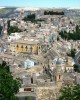
Walking tour in Ragusa - Half Day Tour of Ragusa
Ragusa was designated a UNESCO World Heritage Site in 2002 because of its Baroque heritage. This city hides a very long history that is shown not only
Quick tours search
Tour Categories
- Any tour category in Italy
- Arts and Crafts tour in Italy
- Boating and Sailing tour in Italy
- Culture and History tour in Italy
- Excursion in Italy
- Gourmet & Cooking tour in Italy
- Private tour in Italy
- Railway trip in Italy
- Shopping tour in Italy
- Sightseeing Nature tour in Italy
- Trekking tour in Italy
- Walking tour in Italy
- Wine tasting tour in Italy
Private Guide in Greece
Angelo
Private Guide in Katerini
I can make your hiking, beach bar hopping and educational experience one of a kind! You will learn everything you ever wondered about this beautiful country. Read more