


 French
 Spanish
 Russian
: Tours and Excursion
Attention!!! There are tours with discounts.
May Square, known as Plaza de Mayo in Spanish, is the main square in Buenos Aires, Argentina. It is a historic and political hub, surrounded by significant buildings such as the Casa Rosada, the Metropolitan Cathedral, and the Cabildo. The square has been the site of many important events in Argentine history, including protests, celebrations, and political gatherings.
History & Origins
Plaza de Mayo was established in 1580, shortly after the founding of Buenos Aires. It was originally named Plaza Mayor and served as the city's main public space. Over the centuries, the square has witnessed numerous historical events, including the May Revolution of 1810, which led to Argentina's independence from Spain.
The square has also been a focal point for political movements, such as the Mothers of Plaza de Mayo, who protested against the disappearances during the military dictatorship in the 1970s and 1980s. Today, Plaza de Mayo remains a symbol of Argentine democracy and national identity.
Architecture & Features
Plaza de Mayo is surrounded by some of Buenos Aires' most iconic buildings. The Casa Rosada, the presidential palace, is located on the eastern side of the square. Its pink facade is a distinctive feature of the city's skyline. The Metropolitan Cathedral, with its neoclassical architecture, is located on the northern side, while the Cabildo, a colonial-era building, is on the western side.
The square itself is a spacious plaza with a central monument, the Pirбmide de Mayo, which commemorates the May Revolution. The plaza is also adorned with fountains, statues, and lush greenery, making it a pleasant place for a stroll.
Legends & Facts
One of the most famous legends associated with Plaza de Mayo is the story of Evita Peron's balcony speech. In 1951, Eva Peron addressed a massive crowd from the balcony of the Casa Rosada, delivering a passionate speech that became a defining moment in Argentine history.
Another interesting fact is that the Pirбmide de Mayo was the first public monument erected in Buenos Aires. It was built in 1811 to commemorate the first anniversary of the May Revolution.
Tourist Tips
When visiting Plaza de Mayo, take the time to explore the surrounding buildings, especially the Casa Rosada and the Metropolitan Cathedral. A private guide can provide detailed historical context and insights into the square's significance.
The square is also a great place to observe local life and political activity. Be sure to visit during the day to fully appreciate the architecture and atmosphere.
Nearby
- Casa Rosada: The presidential palace, known for its pink facade and historical significance.
- Metropolitan Cathedral: A neoclassical cathedral housing the tomb of General San Martin.
- Cabildo: A colonial-era building that now serves as a museum.
- Manzana de las Luces: A historic block with underground tunnels and cultural institutions.
- Teatro Colon: One of the world's most famous opera houses, known for its stunning architecture.
Practical FAQ for Travelers
What are the best times to visit Plaza de Mayo?
The square is best visited during the day, especially in the morning or late afternoon.
Is there an entrance fee to visit the square?
No, Plaza de Mayo is a public space and free to visit.
Can I take photos in the square?
Yes, photography is allowed, and the square offers many picturesque spots.
Is the square accessible for visitors with disabilities?
Yes, the square is wheelchair accessible, with ramps and smooth pathways.
Why is a private guide recommended for Plaza de Mayo?
A private guide can provide in-depth historical context and insights into the square's significance, enhancing your visit.
May Square: Private tours and Excursions. Hurry up and book a tour with a discount.
-
Special Offer!
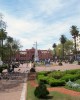
Private tour in Buenos Aires - Full Day Private Buenos Aires Secrets in car with driver
The capital city of Argentina could be defined as elegant, sophisticated, vertiginous, and very European. These conditions make it marvelous and uniqu -
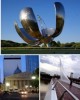
Culture and History tour in Buenos Aires - Buenos Aires City Tour
OPTION 1: A 4 hours tour to discover and travel around this fantastic city. A panoramic view of BA, going around the most traditional neighborhoo -
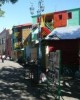
Walking tour in Buenos Aires - Walking Buenos Aires
BA it is a walking city. That is the best way to discover it! The walking tour gives you an specific sense of the area, paying more attention to artis
Quick tours search
Tour Categories
- Any tour category in Buenos Aires
- Boating and Sailing tour in Buenos Aires
- Culture and History tour in Buenos Aires
- Excursion in Buenos Aires
- Gourmet & Cooking tour in Buenos Aires
- Hunting tour in Buenos Aires
- Private tour in Buenos Aires
- Sightseeing Nature tour in Buenos Aires
- Walking tour in Buenos Aires
- Wine tasting tour in Buenos Aires
Private Guide in Argentina

Angeles
Private Guide in Buenos Aires
My tours are full of interesting information, including historic facts, relevant political data, and all those funny anecdotes that make tours memorable. Read more
Tour in Argentina
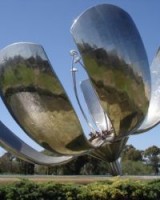
Culture and History tour in Buenos Aires
This is an extended version of the Buenos Aires' Highlights Tour! Read more