


 French
 Spanish
 Russian
Italy : Tours and Excursion
History & Origins
The necropolises were used by the Siculi, an ancient Italic tribe, during the Bronze Age. The tombs were typically family graves, indicating a strong sense of community and familial ties.
Excavations have revealed pottery, tools, and other artifacts that shed light on the daily activities and craftsmanship of the time.
The site has been preserved and studied extensively, contributing valuable information to the understanding of prehistoric Sicily.
Architecture & Features
The tombs are carved directly into the limestone cliffs, showcasing the ingenuity and skill of the ancient builders.
Each tomb typically consists of a small chamber with a narrow entrance, designed to accommodate multiple burials over time.
The interiors are often decorated with simple carvings and symbols, reflecting the spiritual beliefs of the community.
Legends & Facts
Local legends suggest that the necropolises were used by giants, a common myth associated with ancient burial sites in Sicily.
Archaeological evidence indicates that the tombs were reused over centuries, with later burials often placed alongside earlier ones.
The site was rediscovered in the 19th century, leading to extensive archaeological investigations that continue to this day.
Tourist Tips
Visitors should wear comfortable shoes and bring water, as the site involves some walking over uneven terrain.
Guided tours are available, providing detailed explanations of the site's history and significance.
The best time to visit is during the cooler months, as the site can be quite hot in the summer.
Nearby
- Ragusa Ibla: A historic district known for its Baroque architecture and charming streets.
- Castello di Donnafugata: A 19th-century castle with beautiful gardens and historical exhibits.
- Modica: A nearby town famous for its chocolate and Baroque churches.
- Scicli: A picturesque town with stunning architecture and a rich history.
- Marina di Ragusa: A coastal area with beautiful beaches and a lively atmosphere.
Practical FAQ for Travelers
What are the opening hours?
The site is open from 9 AM to 6 PM daily.
Is there an entrance fee?
Yes, the entrance fee is 5 Euro for adults and 3 Euro for children.
What is the best time to visit?
The cooler months of spring and autumn are ideal for visiting.
Are there guided tours available?
Yes, guided tours are available and can be booked in advance.
Is the site accessible for people with disabilities?
The site has limited accessibility due to uneven terrain.
Can I take photos?
Yes, photography is allowed, but flash photography is prohibited inside the tombs.
Prehistoric Necropolises of Ragusa: Private tours and Excursions.
-
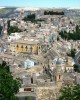
Walking tour in Ragusa - Half Day Tour of Ragusa
Ragusa was designated a UNESCO World Heritage Site in 2002 because of its Baroque heritage. This city hides a very long history that is shown not only
Quick tours search
Tour Categories
- Any tour category in Italy
- Arts and Crafts tour in Italy
- Boating and Sailing tour in Italy
- Culture and History tour in Italy
- Excursion in Italy
- Gourmet & Cooking tour in Italy
- Private tour in Italy
- Railway trip in Italy
- Shopping tour in Italy
- Sightseeing Nature tour in Italy
- Trekking tour in Italy
- Walking tour in Italy
- Wine tasting tour in Italy
Private Guide in Belgium

Mike
Private Guide in Brussels
40 years of tourism and hotel business experience. Private guide Mike is devoted to providing his guests with a memorable experience that exceeds all their expectations. Read more