


 French
 Spanish
 Russian
Greece : Tours and Excursion
Attention!!! There are tours with discounts.
Rousanou Monastery
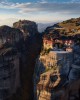
The Rousanou Monastery is one of the six monasteries of the Meteora rock formations in central Greece. Founded in the 16th century, it is perched on a steep rock pinnacle and is accessible via a bridge. The monastery is dedicated to the Transfiguration of Christ and is known for its well-preserved frescoes and serene atmosphere.
History & Origins
The Rousanou Monastery was established in 1545 by the monks Maximos and Ioasaph. It was built during a period of religious revival in the region, and its construction was funded by local nobles. The monastery has undergone several restorations over the centuries, most notably in the 19th century, which helped preserve its architectural integrity.
Architecture & Features
The monastery is a three-story building with a central courtyard. The church, located on the second floor, is adorned with intricate frescoes depicting biblical scenes. The monastery's walls are made of stone, and its roofs are covered with wooden shingles. The interior is modest yet elegant, with wooden furnishings and religious artifacts.
Legends & Facts
One of the most intriguing facts about the Rousanou Monastery is that it was originally a male monastery but was later converted into a nunnery. The monastery is also known for its role in preserving religious texts and icons during times of political turmoil.
Tourist Tips
Visitors should wear modest clothing and be prepared for a short climb to reach the monastery. The best time to visit is early in the morning or late in the afternoon to avoid the crowds. Photography is allowed, but flash photography is prohibited inside the church.
Nearby
- Great Meteoron Monastery: The largest and oldest monastery in Meteora.
- Varlaam Monastery: Known for its impressive frescoes and historical artifacts.
- St. Stephen's Monastery: A nunnery with beautiful gardens and panoramic views.
- Holy Trinity Monastery: Famous for its appearance in the James Bond film 'For Your Eyes Only'.
- St. Nicholas Anapafsas Monastery: A small monastery with unique frescoes.
Practical FAQ for Travelers
What are the opening hours?
The monastery is open from 9:00 AM to 5:00 PM, except on Tuesdays when it is closed.
Is there an entrance fee?
Yes, there is a small entrance fee of 3 Euro.
What is the best time to visit?
Early morning or late afternoon to avoid the crowds.
Is photography allowed?
Yes, but flash photography is prohibited inside the church.
Are there any dress code requirements?
Visitors should wear modest clothing, covering shoulders and knees.
Rousanou Monastery: Private tours and Excursions. Hurry up and book a tour with a discount.
-
Special Offer!
Private tour in Athens - Full Day Tour to Meteora and Vergina(Ancient Macedonia)
**That tour start from Athens** **Final prices are per Group not per person* Shore excursion / Day trip / Full Day to Meteora and the museum of ro
Quick tours search
Tour Categories
Private Guide in Greece
Angelo
Private Guide in Katerini
I can make your hiking, beach bar hopping and educational experience one of a kind! You will learn everything you ever wondered about this beautiful country. Read more