


 French
 Spanish
 Russian
: Tours and Excursion
Attention!!! There are tours with discounts.
Haedong Yonggungsa Temple
This 14th-century Buddhist temple is uniquely situated on Busan's rocky coastline. Founded by the monk Naong during the Goryeo Dynasty, it's one of few Korean temples built by the sea. The complex features multiple prayer halls, a 108-step staircase, and statues overlooking the East Sea.
History & Origins
Originally named Bomun Temple, it was destroyed during the Japanese invasions and rebuilt in the 1970s. The site was chosen for its geomantic alignment with Dragon King lore from Buddhist scriptures.
Architecture & Features
The temple blends traditional Korean Buddhist architecture with coastal adaptations. Stone lanterns line the pathways, while the main Daeungjeon Hall houses a golden Sakyamuni Buddha. The seaside location requires special corrosion-resistant materials.
Practical FAQ for Travelers
When is Buddha's Birthday celebration?
The temple holds spectacular lantern festivals in April/May for this event.
Are there dress restrictions?
Modest attire is recommended, though not strictly enforced.
How long is the coastal walk?
The full temple circuit takes about 45 minutes at a leisurely pace.
Haedong Yonggungsa Temple: Private tours and Excursions. Hurry up and book a tour with a discount.
-
Special Offer!
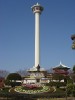
Private tour in Pusan - Cruise passenger
SHORE EXCURSION IN BUSAN is the best solution for CRUISE PASSENGERS who have to visit all the most important landmarks of BUSAN within a singl
Quick tours search
Tour Categories
- Any tour category
- Adventure tour
- Arts and Crafts tour
- Boating and Sailing tour
- Children's tour
- Culture and History tour
- Diving tour
- Eco and Wildlife tour
- Excursion
- Expedition
- Fishing tour
- Gourmet & Cooking tour
- Hiking tour
- Hunting tour
- Jeep tour
- Private tour
- Railway trip
- Safari
- Shopping tour
- Sightseeing Nature tour
- Trekking tour
- Walking tour
- Wine tasting tour
Private Guide in Ethiopia
Yonas
Private Guide in Addis Ababa
I taught for seven years in different parts of the country. Then I decided to go to school to study tourism. There, I got what my real soul is and for what purpose am created for! Read more
Tour in Kenya
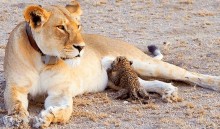
7-Day Explore Wildlife Samburu Great Rift Valley Lakes
Safari in Nairobi
Samburu National Reserve is situated about 350 kms north of Nairobi in the semi arid part of Kenya. Ewaso Nyiro River, bisects the reserve and the river is home to some of the biggest Reptiles in the region and attracts a good number of birds.
Read more