


 French
 Spanish
 Russian
Belgium : Tours and Excursion
The Basilica of the Holy Blood
The Basilica of the Holy Blood is a Roman Catholic basilica in Bruges, Belgium. It is most famous for housing a venerated relic of the Holy Blood allegedly collected by Joseph of Arimathea and brought from the Holy Land by Thierry of Alsace, Count of Flanders. The basilica consists of a lower and upper chapel, built between the 12th and 15th centuries in Romanesque and Gothic styles.
History & Origins
The lower chapel, dedicated to St. Basil, was constructed in the early 12th century as part of the residence of the Count of Flanders. The upper chapel was built later to house the relic of the Holy Blood, which was brought to Bruges in 1150 after the Second Crusade. The basilica has been a pilgrimage site for centuries and was elevated to a minor basilica in 1923.
The relic is kept in a silver tabernacle and is displayed every Friday for veneration. The basilica has undergone several restorations, most notably in the 19th century, to preserve its historical and architectural integrity.
Architecture & Features
The lower chapel is a dark, Romanesque structure with thick walls and small windows, typical of the period. The upper chapel, in contrast, is a bright Gothic space with large stained-glass windows and intricate wood carvings. The interior is adorned with frescoes and paintings depicting scenes from the Bible and the history of the relic.
The facade of the basilica was rebuilt in the Gothic Revival style in the 19th century, featuring a golden statue of the Virgin Mary and a rose window. The basilica's treasury contains numerous religious artifacts, including chalices, reliquaries, and vestments.
Legends & Facts
One legend claims that the relic of the Holy Blood was given to Thierry of Alsace by his brother-in-law, Baldwin III of Jerusalem, as a reward for his bravery during the Crusades. Another story tells of a miracle in which the relic bled when touched by a doubting priest, confirming its authenticity.
The annual Procession of the Holy Blood, held on Ascension Day, dates back to the 13th century and is one of Bruges' most important cultural events. The procession features reenactments of biblical scenes and historical events, culminating in the display of the relic to the public.
Tourist Tips
Visitors should start their tour in the lower chapel to appreciate the contrast between the Romanesque and Gothic styles. The upper chapel is the highlight, with its stunning stained glass and the relic of the Holy Blood. The basilica is a must-see during a Culture and History tour of Bruges.
Nearby
- Bruges Market Square: The central square of Bruges, surrounded by historic buildings and the famous Belfry.
- Belfry of Bruges: A medieval bell tower offering panoramic views of the city.
- Groeningemuseum: A museum showcasing Flemish and Belgian art from the 15th to the 21st century.
- Church of Our Lady: A Gothic church housing Michelangelo's sculpture 'Madonna and Child'.
- Beguinage: A tranquil convent founded in the 13th century, now a UNESCO World Heritage Site.
Practical FAQ for Travelers
What are the opening hours?
The basilica is open daily from 9:30 AM to 12:30 PM and from 2:00 PM to 5:30 PM.
Is there an entrance fee?
Entry to the basilica is free, but a small donation is appreciated.
What is the best time to visit?
Early morning or late afternoon to avoid crowds, especially during the summer months.
Are photography and videography allowed?
Photography is allowed, but flash and tripods are prohibited.
Is the basilica accessible for wheelchair users?
The lower chapel is accessible, but the upper chapel has stairs and may be difficult for wheelchair users.
Is there a dress code?
Modest dress is required; shoulders and knees should be covered.
The Basilica of the Holy Blood: Private tours and Excursions.
-
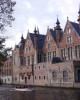
Private tour in Dinant - Bruges (Brugge)
Intro Known as the Venice of the North, Bruges is one of the most beautiful cities in Europe. The city's name is believed to derive from the Old Nor
Quick tours search
Tour Categories
Private Guide in Belgium
Mike
Private Guide in Brussels
40 years of tourism and hotel business experience. Private guide Mike is devoted to providing his guests with a memorable experience that exceeds all their expectations. Read more