


 French
 Spanish
 Russian
: Tours and Excursion
History & Origins
the Charterhouse was founded in 1371 by Sir Walter de Manny, a knight of Edward III, as a burial ground for victims of the Black Death. It later became a Carthusian monastery, known for its strict monastic rule. After the Dissolution of the Monasteries in the 16th century, it was acquired by Sir Edward North, who converted it into a private residence.
In 1611, Thomas Sutton purchased the property and established a charitable foundation, which included a school and an almshouse. The school moved to Godalming in 1872, but the almshouse continues to operate to this day, providing accommodation for elderly men.
Architecture & Features
the Charterhouse's architecture reflects its long and varied history. The Great Hall, built in the 16th century, features a magnificent hammerbeam roof and Tudor-style windows. The Chapel, originally part of the monastery, retains its medieval character with its Gothic arches and stained glass windows.
The Cloisters, which once served as the monks' living quarters, are now used as a museum, displaying artifacts related to the site's history. The gardens, though much smaller than in the monastery's heyday, offer a peaceful retreat in the heart of the city.
Legends & Facts
One of the most famous legends associated with the Charterhouse is that of the ghost of Sir Walter de Manny, who is said to haunt the Great Hall. Another intriguing fact is that the site was used as a filming location for several historical dramas, including 'The Tudors' and 'Wolf Hall'.
the Charterhouse also played a role in the Gunpowder Plot of 1605. One of the conspirators, Thomas Percy, was a tenant of the property, and it is believed that the plot was partially planned within its walls.
Tourist Tips
Visitors should start their tour at the Great Hall, which provides an overview of the site's history. From there, proceed to the Chapel and the Cloisters, where you can explore the museum exhibits. Don't forget to take a stroll through the gardens, which offer a serene escape from the bustling city.
Nearby
- St. Bartholomew's Hospital - One of the oldest hospitals in Europe, founded in 1123.
- Smithfield Market - A historic meat market that has been operating since the 12th century.
- St. Bartholomew-the-Great - A medieval church with stunning architecture.
- Barbican Centre - A performing arts center known for its brutalist architecture.
- Museum of London - A museum dedicated to the history of London, from prehistoric times to the present day.
Practical FAQ for Travelers
What are the opening hours?
the Charterhouse is open to the public from 10:00 AM to 5:00 PM, Monday to Friday.
Is there an entrance fee?
Yes, there is a small entrance fee of 10 Euro for adults, with discounts available for seniors and students.
What is the best time to visit?
The best time to visit is in the morning, when the site is less crowded.
Are guided tours available?
Yes, guided tours are available and are highly recommended for a deeper understanding of the site's history.
Is the site accessible for wheelchair users?
Yes, the Charterhouse is fully accessible for wheelchair users.
Can I take photographs?
Photography is allowed, but flash photography is prohibited in certain areas.
the Charterhouse: Private tours and Excursions.
-
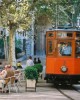
Culture and History tour in Palma de Majorca - Palma highlights &Valldemossa
Any private guide in Palma de Majorca would recommend you to visit Valldemossa. You will learn from your private guide in Spain that it is a very pict -
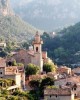
Culture and History tour in Palma de Majorca - Tour of Valldemossa and F.Chopin
This private tour in Spain is focused on the highlights of Palma de Majorca, and the most interesting places of Valldemossa. As your private guide in
Quick tours search
Tour Categories
- Any tour category
- Adventure tour
- Arts and Crafts tour
- Boating and Sailing tour
- Children's tour
- Culture and History tour
- Diving tour
- Eco and Wildlife tour
- Excursion
- Expedition
- Fishing tour
- Gourmet & Cooking tour
- Hiking tour
- Hunting tour
- Jeep tour
- Private tour
- Railway trip
- Safari
- Shopping tour
- Sightseeing Nature tour
- Trekking tour
- Walking tour
- Wine tasting tour
Private Guide in Belgium
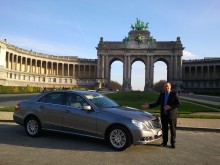
Mike
Private Guide in Brussels
40 years of tourism and hotel business experience. Private guide Mike is devoted to providing his guests with a memorable experience that exceeds all their expectations. Read more
Tour in Argentina
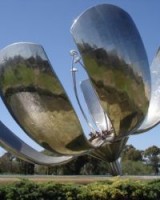
Culture and History tour in Buenos Aires
This is an extended version of the Buenos Aires' Highlights Tour! Read more