


 French
 Spanish
 Russian
Morocco : Tours and Excursion
Attention!!! There are tours with discounts.
Dades Valley
The Dades Valley is a stunning natural attraction in Morocco, known for its dramatic landscapes, towering rock formations, and lush oases. Often referred to as the 'Valley of a Thousand Kasbahs,' it is a popular destination for nature lovers and adventure seekers.
History & Origins
The Dades Valley has been inhabited for centuries, with evidence of ancient settlements and agricultural practices. The valley was a key trade route for caravans traveling between the Sahara and the Atlas Mountains. The local Berber communities have maintained their traditional way of life, preserving the valley's cultural heritage.
The valley's unique geology, shaped by millions of years of erosion, has created its iconic rock formations and gorges. The Dades River, which flows through the valley, provides vital water for irrigation and sustains the region's agriculture.
Architecture & Features
The Dades Valley is renowned for its kasbahs, traditional fortified houses made of mud and straw. These structures, often perched on hilltops, offer panoramic views of the surrounding landscape. The valley is also home to picturesque villages, terraced fields, and almond orchards.
The Dades Gorges, a series of narrow canyons carved by the river, are a highlight for visitors. The winding roads and scenic viewpoints make the valley a favorite among photographers and road-trippers.
Legends & Facts
One of the most famous legends of the Dades Valley is the story of the 'Monkey Fingers,' a series of rock formations said to resemble the fingers of a giant monkey. Another tale tells of hidden treasures buried by ancient traders in the valley's kasbahs.
The valley is also known for its annual rose festival, which celebrates the region's rose cultivation and attracts visitors from around the world.
Tourist Tips
Visitors to the Dades Valley should start their journey at the town of Boumalne Dades, the gateway to the valley. The scenic drive along the Dades Gorges is a must, with plenty of opportunities to stop and take in the views.
Hiking and trekking are popular activities, with trails ranging from easy walks to challenging climbs. The best time to visit is in spring or autumn when the weather is mild and the landscapes are at their most vibrant.
Nearby
- Todgha Gorge: A spectacular canyon with towering cliffs and a popular hiking destination.
- Skoura Oasis: A lush oasis dotted with kasbahs and palm groves.
- Ait Ben Haddou: A UNESCO World Heritage Site and famous filming location.
- Ouarzazate: Known as the 'Gateway to the Sahara,' this city is home to film studios and historic sites.
- Atlas Mountains: A stunning mountain range offering hiking and trekking opportunities.
Practical FAQ for Travelers
What are the opening hours?
The valley is accessible at all times, but some attractions may have specific hours.
Is there an entrance fee?
Access to the valley is free, but some kasbahs and viewpoints may charge a small fee.
What is the best time to visit?
Spring (March to May) and autumn (September to November) offer the best weather and scenery.
Are guided tours available?
Self-guided exploration is common, but guided tours can be arranged in nearby towns.
Is the area accessible for wheelchair users?
The terrain can be challenging, but some viewpoints and roads are accessible.
Dades Valley: Private tours and Excursions. Hurry up and book a tour with a discount.
-
Special Offer!
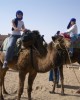
Private tour in Marrakech - Marrakech Private Desert Tours
MARRAKECH – OUARZAZATE - SKOURA –TODRA GORGES – DADES VALLEY – MERZOUGA – DRAA VALLEY – AGDZ – AIT BENHADDOU -
Special Offer!
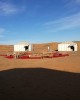
Private tour in Marrakech - Merzouga Luxury desert Tours
MERZOUGA LUXURY DESERT TOURS 3 Days / 2 Nights Marrakech → Merzouga Day 1: Departure from Marrakech, cross the High Atlas via Tizi n&rsqu
Quick tours search
Tour Categories
- Any tour category in Morocco
- Adventure tour in Morocco
- Arts and Crafts tour in Morocco
- Culture and History tour in Morocco
- Excursion in Morocco
- Expedition in Morocco
- Gourmet & Cooking tour in Morocco
- Hiking tour in Morocco
- Jeep tour in Morocco
- Private tour in Morocco
- Safari in Morocco
- Shopping tour in Morocco
- Sightseeing Nature tour in Morocco
- Walking tour in Morocco
Private Guide in Morocco

Mustapha
Private Guide in Marrakech
My name is Mustapha. I am your guide and will support you during the tour. I promise you are going to enjoy your stay here in Morocco. This is a beautiful, quiet country where ... Read more
Tour in Kenya
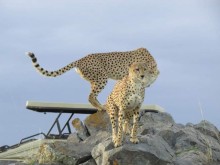
14-Day Discover Masai Mara Amboseli Serengeti Ngorongoro crater Zanzibar Beach Safari
Safari in Nairobi
Lake Nakuru is famous for its millions of flamigoes and migrant birds from over the world; in Nakuru we have upto 425 different bird species. You will leave back to the hotel before dark for your dinner and overnight at you lodge Read more