


 French
 Spanish
 Russian
Morocco : Tours and Excursion
Attention!!! There are tours with discounts.
History & Origins
the Petit Socco dates back to the 17th century when Tangier was a bustling port city. It served as a hub for merchants, travelers, and diplomats, reflecting the city's diverse cultural influences.
During the 19th and early 20th centuries, the Petit Socco became a popular gathering spot for writers, artists, and intellectuals, including Paul Bowles and William S. Burroughs, who were inspired by its unique ambiance.
Today, the Petit Socco remains a lively square, surrounded by cafes, shops, and historic buildings, preserving its rich heritage.
Architecture & Features
the Petit Socco is characterized by its narrow streets, traditional Moroccan architecture, and vibrant atmosphere. The square is surrounded by historic buildings, including the Grand Mosque of Tangier and the American Legation Museum.
Key architectural features include the ornate facades of the surrounding buildings, adorned with intricate tilework and carvings, and the bustling souks that line the streets.
Legends & Facts
One legend associated with the Petit Socco is that it was a meeting place for spies and diplomats during the colonial era, adding to its mystique.
Another interesting fact is that the Petit Socco was a favorite spot for famous writers and artists, who found inspiration in its vibrant atmosphere and cultural diversity.
The square is also known for its role in Tangier's history as a center of trade and cultural exchange.
Tourist Tips
Visitors should take their time to explore the Petit Socco and its surrounding streets, soaking in the vibrant atmosphere and cultural heritage.
Start your visit at the Grand Mosque of Tangier, then explore the American Legation Museum, and end your tour at one of the square's traditional cafes.
Nearby
- Grand Mosque of Tangier: A historic mosque located near the Petit Socco.
- American Legation Museum: A museum housed in a historic building, showcasing the history of U.S.-Moroccan relations.
- Kasbah Museum: A museum located in the historic Kasbah, showcasing Moroccan art and artifacts.
- Cafe Hafa: A historic cafe overlooking the Strait of Gibraltar, known for its stunning views.
- Tangier Beach: A popular beach located near the Medina, offering a relaxing escape from the city.
Practical FAQ for Travelers
What are the opening hours?
the Petit Socco is open daily from sunrise to sunset.
Is there an entrance fee?
There is no entrance fee to visit the Petit Socco.
What is the best time to visit?
The best time to visit is early morning or late afternoon to avoid the midday heat.
Is the Petit Socco accessible for children?
Yes, but parents should be mindful of the crowded areas.
Are pets allowed?
Pets are generally not allowed in the Petit Socco.
Is there a dress code?
Visitors should dress modestly, covering shoulders and knees, especially when visiting religious sites.
the Petit Socco: Private tours and Excursions. Hurry up and book a tour with a discount.
-
Special Offer!
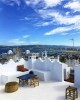
Private tour in Tangier - Best of Tangier
Tour Price : 60 dollars Duration : 5 - 6 hrs (flexible) Tour Dates : Every Season Departure : From your accomodation Transportation : A deluxe van
Quick tours search
Tour Categories
- Any tour category in Morocco
- Adventure tour in Morocco
- Arts and Crafts tour in Morocco
- Culture and History tour in Morocco
- Excursion in Morocco
- Expedition in Morocco
- Gourmet & Cooking tour in Morocco
- Hiking tour in Morocco
- Jeep tour in Morocco
- Private tour in Morocco
- Safari in Morocco
- Shopping tour in Morocco
- Sightseeing Nature tour in Morocco
- Walking tour in Morocco
Private Guide in Morocco

Mustapha
Private Guide in Marrakech
My name is Mustapha. I am your guide and will support you during the tour. I promise you are going to enjoy your stay here in Morocco. This is a beautiful, quiet country where ... Read more
Tour in Kenya
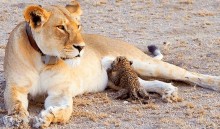
7-Day Explore Wildlife Samburu Great Rift Valley Lakes
Safari in Nairobi
Samburu National Reserve is situated about 350 kms north of Nairobi in the semi arid part of Kenya. Ewaso Nyiro River, bisects the reserve and the river is home to some of the biggest Reptiles in the region and attracts a good number of birds.
Read more