


 French
 Spanish
 Russian
Private guide in Huangshan, guided tours in Huangshan, China

Huangshan
China
Language: Chinese
Currency: Yuan (CNY)
Information about Huangshan
Huangshan is not just a city—it’s the gateway to one of China’s most breathtaking mountain landscapes. Located in Anhui Province, it serves as the starting point for the legendary Yellow Mountains (Huangshan), a UNESCO World Heritage Site. For centuries, these peaks have inspired poets, painters, and Daoist monks with their mystical beauty: granite summits shrouded in clouds, ancient pines growing from sheer cliffs, and seas of mist at sunrise that make you feel as if you’ve stepped into another realm. The city is perfect for nature lovers, photographers, spiritual seekers, and anyone longing for an authentic experience of Chinese aesthetics.
Huangshan blends genuine rural culture, historic villages, and modern tourist infrastructure. Here, you can explore ancient Huizhou-style settlements with whitewashed walls and black-tiled roofs, savor local cuisine based on fresh mountain herbs and bamboo shoots, and hike trails that poets described as early as the Tang Dynasty. The city appeals equally to active travelers and those seeking tranquility and harmony with nature.
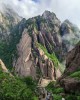
- Huangshan (Yellow Mountains) — the legendary range featuring Lotus Peak and Bright Summit Peak.
- Hongcun Village — a masterpiece of Huizhou architecture with bridges, ponds, and intricately carved facades.
- Xidi Village — a picturesque settlement with ancient mansions and timeless atmosphere.
- Lotus Peak (Lianhua Feng) — one of the highest and most dramatic summits.
- Bright Summit Peak (Guangming Ding) — the ideal spot for sunrise above a sea of clouds.
- Pingtian Valley — a serene area with waterfalls and trails perfect for relaxed walks.
- Moon Rising Bridge — an iconic arched bridge in Hongcun, beloved by photographers.
- Ciguang Temple — a Daoist temple nestled at the mountain’s base, blending spirituality and nature.
- Huangshan National Park — a protected area with unique flora and fauna.
- Tangkou Hot Springs — the perfect place to unwind after a mountain trek.
Why should you hire a private guide in Huangshan city?
The trails in the Huangshan mountains are complex, and signage is rarely in English. A private guide in Huangshan knows not only safe and scenic routes but also the best times to catch sunrise without crowds, hidden viewpoints, and the legends behind every rock and pine tree. They’ll also handle logistics—booking cable cars, arranging transfers, and tailoring the route to your fitness level.
When is the best time to visit Huangshan?
The ideal seasons are spring (April–May) and autumn (September–October), when the weather is clear and the famous “sea of clouds” is most frequent. Summers can be rainy and foggy but less crowded. Winters offer snow-draped peaks that resemble classical Chinese ink paintings—though trails may be slippery. Avoid national holidays, especially the “Golden Week” in early October.
What language is spoken in Huangshan, and should you hire a private guide in China?
Mandarin (Putonghua) is the main language, with the local Wu dialect also spoken. English is rarely used outside major hotels. That’s why a private guide in China is essential—not just for translation, but for understanding culture, history, and even restaurant menus. This is especially true in the mountains, where navigation without language skills is challenging.
What local cuisine is typical in Huangshan, and what must you try?
The local cuisine belongs to the Huizhou culinary tradition—dishes are slow-cooked with emphasis on aroma and texture. Don’t miss “stinky tofu” (fermented tofu with a crispy crust), stir-fried chicken with bamboo shoots, wild mountain mushrooms, and bitter melon soup. As for drinks, try Huangshan Maofeng green tea, grown on the mountain slopes.
What can you buy in Huangshan, and what items are prohibited from export?
Great souvenirs include Huangshan Maofeng tea, hand-carved blackwood items, traditional Chinese inkstones, and calligraphy sets. It’s illegal to export rare plants, minerals from the national park, or antiques without certification. When buying tea, ask for packaging with a QR code indicating origin—this simplifies customs clearance.
What clothing and footwear should you choose for a trip to Huangshan?
Footwear must be sturdy, waterproof, and grippy—you’ll be walking on stone steps and rocky paths. Mountain weather changes quickly, so dress in layers: thermal base, fleece, and a windbreaker. Even in summer, it can be chilly at the summit. Don’t forget gloves for climbing and a sun hat.
What currency is used in Huangshan, and should you carry cash?
The official currency is the Chinese yuan (CNY). While WeChat Pay and Alipay work in town, cash is essential in the mountains, villages, and with private drivers. Carry 500–1,000 yuan in small bills. You can exchange money at the bank near the bus station or in larger hotels.
What etiquette rules should you follow in Huangshan?
In the mountains and temples—maintain silence and respect nature. Don’t litter, shout, or touch rare plants. In villages, ask permission before photographing people. Offer your seat to elders on public transport. In restaurants, don’t tap your chopsticks on the bowl—it’s considered rude. Respecting local customs opens doors to warmer hospitality.
How safe is Huangshan for tourists?
The city and national park are considered very safe. Crime is minimal, and trails are equipped with railings and signs. Main risks are weather-related—fog, rain, or slippery steps—and fatigue. Private guides in Huangshan always check forecasts and choose safe routes. Minor issues with taxi drivers can occur, so it’s best to use official transfers.
What can you do in Huangshan in the evening?
After a mountain hike, many relax in the Tangkou hot springs. In Hongcun, evening light shows reflect ancient houses in the water. You can attend a tea ceremony featuring local Maofeng or simply stroll quiet lanes under moonlight. The city also has cozy cafés with live music and mountain views.
Is Huangshan suitable for trips with children?
Yes, with caveats. Mountain hikes are best for children over 10 with good stamina. Younger kids will enjoy Hongcun and Xidi villages, with ponds, playgrounds, and calligraphy workshops. Private guides in Huangshan can arrange shorter routes with rest breaks and kid-friendly meals.
Who lives in Huangshan, and how is the ecological situation?
Around 1.4 million people live in the city and surrounding areas, mostly Han Chinese. Main religions include Buddhism, Daoism, and Confucianism. Ecology is strictly protected: construction is banned in the national park, waste is meticulously managed, and summit access is limited. Huangshan is one of China’s most environmentally responsible tourist destinations.
How do you get to Huangshan, and which airport should you fly into?
The nearest airport is Huangshan Tunxi International Airport (TXN), with direct flights from Beijing, Shanghai, Guangzhou, and other cities. From there, it’s a 50-minute taxi or bus ride to the city. You can also take a high-speed train to Huangshan North Station from Hangzhou or Hefei (2–3 hours). Private guides in China often arrange airport pickups and transfers to your hotel or park entrance.
5 Reasons to Visit Huangshan
- The Yellow Mountains embody the essence of Chinese philosophy and aesthetics.
- Authentic historic villages showcasing unique Huizhou architecture.
- Impeccable natural beauty under strict ecological protection.
- A rare blend of adventure, spiritual retreat, and culinary discovery.
- Fewer crowds compared to other major mountain destinations in China.
Our Tips for Travelers to Huangshan
- Book summit accommodation well in advance—rooms sell out weeks ahead.
- Bring trekking poles—they significantly reduce knee strain on steep descents.
- Avoid weekends and holidays—cable car lines can exceed 2–3 hours.
- Have breakfast with a local family in the village—it’s a memorable cultural and culinary experience.
- Photograph the mountains not only at sunrise but also after rain—clouds become especially dramatic.

Popular tours in Huangshan
 $200-300
 10 hours
LAST ARTICLES
 The Lantern Festival: When the World Glows with Light and Stories I still remem
 The Temple of Heaven Park (Tian Tan)
 Beijing Beyond the Palace Walls
 China in Wintertime: An Amazing Wonderland
 Evening Activity: Liu Sanjie Sound and Light Show
 Village in Huangshan, Huangshan, huangshan
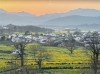 Village in Huangshan, Huangshan, Huangshan Village
 Yellow Mountain, Huangshan, Yellow Mountain
 Restaurant, Huangshan, Huangshan
 Nestling Hamlet Tour from Shanghai, Huangshan, She County
 Nestling Hamlet Tour from Shanghai, Huangshan, She County
 Nestling Hamlet Tour from Shanghai, Huangshan, She County
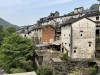 Nestling Hamlet Tour from Shanghai, Huangshan, She County