


 French
 Spanish
 Russian
Morocco : Tours and Excursion
Attention!!! There are tours with discounts.
Ait Ben Haddou Kasbah
The Ait Ben Haddou Kasbah is a striking example of southern Moroccan architecture, a fortified village made of earthen clay. This UNESCO World Heritage Site has been a backdrop for numerous films and television series, showcasing its historical and cinematic significance.
History & Origins
The kasbah dates back to the 17th century, serving as a key stop for caravans traveling between the Sahara and Marrakech. Its strategic location made it a vital trading post.
The construction techniques reflect traditional Berber methods, using locally sourced materials like clay and straw. The site has been meticulously preserved, offering a glimpse into Morocco's rich cultural heritage.
Over the centuries, the kasbah has witnessed numerous historical events, including trade negotiations and cultural exchanges between Berber tribes and Arab merchants.
Architecture & Features
The kasbah is a collection of earthen buildings surrounded by high walls, with corner towers and a maze-like interior. The structures are built from rammed earth, adobe, and wood, showcasing traditional Berber craftsmanship.
The interiors feature intricate carvings and decorative elements, reflecting the artistic traditions of the region. The kasbah's design is both functional and aesthetic, providing protection from the harsh desert climate.
Legends & Facts
One legend suggests that the kasbah was built by a wealthy merchant to protect his family and treasures from rival tribes. Another story claims that the site was once a hub for secret meetings between Berber leaders.
The kasbah has appeared in several famous films, including 'Gladiator' and 'Game of Thrones,' adding to its global fame.
Despite its age, the kasbah remains a vibrant community, with some families still living within its walls.
Tourist Tips
Visitors should explore the kasbah on foot, taking time to wander through its narrow alleys and climb to the top for panoramic views of the surrounding desert.
Early morning or late afternoon visits are recommended to avoid the midday heat and capture the best light for photography.
Nearby
- Atlas Film Studios: A nearby film studio where many famous movies were shot.
- Ouarzazate: Known as the 'Gateway to the Sahara,' this city offers more historical sites and museums.
- Tinghir: A town famous for its stunning oasis and palm groves.
- Draa Valley: A scenic valley with lush date palm plantations.
- Skoura: Home to another beautiful kasbah and lush gardens.
Practical FAQ for Travelers
What are the opening hours?
The kasbah is open daily from 8 AM to 6 PM.
Is there an entrance fee?
Yes, there is a small fee of approximately 20 Moroccan Dirhams.
What is the best time to visit?
Early morning or late afternoon to avoid the heat and crowds.
Are there guided tours available?
Yes, local guides are available at the entrance.
Is the site accessible for children and elderly visitors?
The terrain can be uneven, so comfortable shoes are recommended. Some areas may be challenging for those with mobility issues.
Ait Ben Haddou Kasbah: Private tours and Excursions. Hurry up and book a tour with a discount.
-
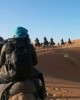
Private tour in Marrakech - 3 Days sahara desert From Marrakech To Fes
3 Days sahara desert From Marrakech To Fes This 3days Sahara desert tour from Marrakech to Fes is the Moroccan desert tour trip offering the best of -
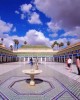
Private tour in Casablanca - Morocco Grand Tour
Day 1: Casablanca Arrive at Casablanca Mohammed V International Airport. Transfer to your hotel and relax. Visit the magnificent Hassan II Mosque -
Special Offer!
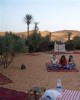
Private tour in Fez - Morocco Private Desert Tours
Day 1: Fes - Midelt – Merzouga 2Leave Fes and its intricate cloud of roads means somehow regain orientation. It's off to the desert. And the jo
Quick tours search
Tour Categories
- Any tour category in Morocco
- Adventure tour in Morocco
- Arts and Crafts tour in Morocco
- Culture and History tour in Morocco
- Excursion in Morocco
- Expedition in Morocco
- Gourmet & Cooking tour in Morocco
- Hiking tour in Morocco
- Jeep tour in Morocco
- Private tour in Morocco
- Safari in Morocco
- Shopping tour in Morocco
- Sightseeing Nature tour in Morocco
- Walking tour in Morocco
Private Guide in Morocco

Mustapha
Private Guide in Marrakech
My name is Mustapha. I am your guide and will support you during the tour. I promise you are going to enjoy your stay here in Morocco. This is a beautiful, quiet country where ... Read more
Tour in Kenya
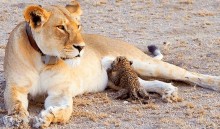
7-Day Explore Wildlife Samburu Great Rift Valley Lakes
Safari in Nairobi
Samburu National Reserve is situated about 350 kms north of Nairobi in the semi arid part of Kenya. Ewaso Nyiro River, bisects the reserve and the river is home to some of the biggest Reptiles in the region and attracts a good number of birds.
Read more