


 French
 Spanish
 Russian
Brussels Belgium : Tours and Excursion
avenue de Tervueren is a prestigious boulevard in Brussels, Belgium, known for its elegant architecture and lush greenery. The avenue connects the city center to the suburb of Tervuren, offering a scenic route for both pedestrians and motorists. A private guide can provide insights into the history and significance of this iconic street.
History & Origins
avenue de Tervueren was constructed in the late 19th century as part of the urban development plans for Brussels. The boulevard was designed to provide a grand entrance to the city from the east, showcasing the wealth and sophistication of the Belgian capital. The avenue was named after the nearby town of Tervuren, which was a popular retreat for the Belgian aristocracy.
The construction of avenue de Tervueren coincided with the development of the Royal Museum for Central Africa in Tervuren. The museum, which was built to showcase Belgium's colonial holdings in Africa, became a major attraction, drawing visitors from across Europe. The avenue was designed to provide a direct and impressive route to the museum.
Over the years, avenue de Tervueren has become a symbol of Brussels' prosperity and cultural heritage. The boulevard is lined with stately mansions, embassies, and cultural institutions, reflecting the city's status as a major European capital.
Architecture & Features
avenue de Tervueren is characterized by its wide, tree-lined sidewalks and elegant buildings. The boulevard features a mix of architectural styles, including Art Nouveau, Neo-Classical, and Modernist designs. The avenue is also known for its public art, including statues, fountains, and monuments.
The boulevard's central median is landscaped with flower beds, shrubs, and trees, creating a green oasis in the heart of the city. The avenue is a popular spot for walking, jogging, and cycling, offering a peaceful escape from the hustle and bustle of urban life.
Legends & Facts
One of the most famous landmarks along avenue de Tervueren is the Royal Museum for Central Africa. The museum, which was built in the early 20th century, houses a vast collection of artifacts from Belgium's colonial period in Africa. The museum's architecture and exhibits are a testament to Belgium's colonial history and its impact on African cultures.
Another interesting fact is that avenue de Tervueren was one of the first streets in Brussels to be illuminated by electric streetlights. The boulevard's lighting system was installed in the late 19th century, making it a pioneer in urban electrification.
The avenue is also known for its role in Brussels' cultural life. The boulevard is home to several theaters, galleries, and cultural institutions, making it a hub for arts and entertainment.
Tourist Tips
Visitors to avenue de Tervueren should start their tour at the city center and walk east towards Tervuren. The boulevard is best explored on foot or by bicycle, allowing visitors to fully appreciate its architecture and greenery. A private guide can provide detailed explanations of the boulevard's history and landmarks.
The Royal Museum for Central Africa is a must-see, offering a fascinating look at Belgium's colonial history. Visitors should also take the time to explore the avenue's public art and cultural institutions, which provide insights into Brussels' rich cultural heritage.
Nearby
- Royal Museum for Central Africa: A museum showcasing Belgium's colonial history in Africa.
- Cinquantenaire Park: A large urban park with museums, monuments, and gardens.
- European Parliament: The headquarters of the European Union's legislative body.
- Atomium: A landmark building representing an iron crystal magnified 165 billion times.
- Grand Place: The central square of Brussels, known for its historic buildings and lively atmosphere.
Practical FAQ for Travelers
How can I get to avenue de Tervueren?
The avenue is easily accessible by public transport, with several tram and bus stops along the route. A private guide can arrange transportation.
What is the best time to visit avenue de Tervueren?
The avenue is beautiful year-round, but spring and summer offer the best weather for walking and cycling. A private guide can help you plan your visit.
How long does it take to walk the entire length of avenue de Tervueren?
The boulevard is about 10 kilometers long, so walking the entire length takes about 2-3 hours. A private guide can tailor the tour to your pace.
Are there any guided tours available for avenue de Tervueren?
Yes, guided tours are available, and a private guide can provide personalized insights into the boulevard's history and landmarks.
Is avenue de Tervueren accessible for visitors with disabilities?
The avenue is fully accessible, with wide sidewalks and ramps. A private guide can assist with accessibility needs.
Why is a private guide superior for visiting avenue de Tervueren?
A private guide offers personalized insights, avoids crowds, and provides detailed explanations of the boulevard's history and landmarks.
avenue de Tervueren: Private tours and Excursions.
-
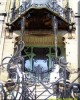
Culture and History tour in Brussels - Brussels Arts Nouveaux
ARTS NOUVEAUX TOUR Visite guidée privée 5 heures , 200,00 euros, 40,00 pour chaque heure supplémentaire Dans les ann&eacu
Quick tours search
Tour Categories
Private Guide in Belgium
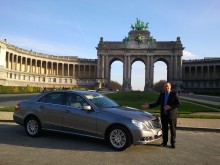
Mike
Private Guide in Brussels
40 years of tourism and hotel business experience. Private guide Mike is devoted to providing his guests with a memorable experience that exceeds all their expectations. Read more