


 French
 Spanish
 Russian
: Tours and Excursion
Attention!!! There are tours with discounts.
Ngorongoro Conservation Area
The Ngorongoro Conservation Area is a UNESCO World Heritage Site located in northern Tanzania. It is home to the Ngorongoro Crater, the world's largest inactive, intact, and unfilled volcanic caldera. The area is renowned for its high density of wildlife, including the Big Five (lion, leopard, rhinoceros, elephant, and buffalo).
History & Origins
The Ngorongoro Crater was formed about 2 to 3 million years ago when a large volcano exploded and collapsed on itself. The area has been inhabited by the Maasai people for centuries, who continue to live here alongside the wildlife.
The conservation area was established in 1959 as a multiple land-use area, where wildlife coexists with semi-nomadic Maasai pastoralists practicing traditional livestock grazing.
Architecture & Features
The Ngorongoro Crater spans approximately 260 square kilometers and is 610 meters deep. The crater floor is a natural enclosure for a wide variety of wildlife, including large herds of wildebeest, zebras, and gazelles.
The area also features the Olduvai Gorge, one of the most important paleoanthropological sites in the world, where early human fossils have been discovered.
Legends & Facts
1. The Maasai believe that the crater is a sacred place and refer to it as the 'Garden of Eden'.
2. The Olduvai Gorge has yielded some of the earliest evidence of human evolution, including the remains of Homo habilis.
3. The crater's unique ecosystem supports a high density of predators, including lions, cheetahs, and hyenas.
Tourist Tips
Visit the crater early in the morning or late in the afternoon for the best wildlife viewing opportunities. The rim of the crater offers stunning panoramic views, and the Lerai Forest is a great spot to see elephants.
Nearby
- Serengeti National Park - Famous for the annual wildebeest migration.
- Lake Manyara National Park - Known for its tree-climbing lions.
- Tarangire National Park - Renowned for its large elephant herds.
- Mount Kilimanjaro - Africa's highest peak.
- Arusha National Park - Features diverse landscapes and wildlife.
Practical FAQ for Travelers
What is the best time to visit?
The dry season (June to October) is the best time for wildlife viewing.
Are there any dress code requirements?
Wear neutral-colored clothing to blend in with the environment.
Is the area accessible for children?
Yes, but children should be supervised at all times due to the presence of wild animals.
Can I bring my pet?
No, pets are not allowed in the conservation area.
What are the opening hours?
The area is open from 6:00 AM to 6:00 PM daily.
Ngorongoro Conservation Area: Private tours and Excursions. Hurry up and book a tour with a discount.
-
Special Offer!
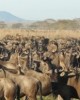
Safari in Arusha - 10 Days 9 Night Great Migration Safari
Tanzania boasts one of the best world’s travel destinations and the best safari country in Africa. As “a Land of Superlatives”, Tanz -
Special Offer!
Safari in Arusha - 11 Days10 Nights Tanzania Cultural Safari
Tanzania boasts one of the best world’s travel destinations and the best safari country in Africa. As “a Land of Superlatives”, Tanz -
Special Offer!
Safari in Arusha - 12 Days 11 Nights The Best of Tanzania Safari
Tanzania boasts one of the best world’s travel destinations and the best safari country in Africa. As “a Land of Superlatives”, Tanz -
Special Offer!
Adventure tour in Arusha - 12 Days 11Nights Tanzania Photographic Safaris
Tanzania boasts one of the best world’s travel destinations and the best safari country in Africa. As “a Land of Superlatives&rd -
Special Offer!

Safari in Arusha - 4 Days 3 nights Tanzania Safari
4 Days Tanzania Safari – Tarangire, Lake Manyara& Ngorongoro(Camping) Tanzania boasts one of the best world’s travel destin -
Special Offer!

Safari in Arusha - 5 Days 4 Nights Tanzania Wildlife Safari
Tanzania boasts one of the best world’s travel destinations and the best safari country in Africa. As “a Land of Superlatives”, Tanz -
Special Offer!
Safari in Arusha - 6 days 5 nights Tanzania luxury safari
Tanzania boasts one of the best world’s travel destinations and the best safari country in Africa. As “a Land of Superlatives”, Tanz -
Special Offer!
Safari in Arusha - 9 Days 8 Nights Tanzania Safari
Tanzania boasts one of the best world’s travel destinations and the best safari country in Africa. As “a Land of Superlatives”, Tanz -
Special Offer!
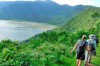
Walking tour in Arusha - Walking safari tour via Empakai crater to Lake Natron 2026 prices
Trekking tour from Empakai Ngorongoro to Lake Natron via Oldonyo Lengai is an exclusive off-the-beaten-path expedition. Also, this is an affordable Ta
Quick tours search
Tour Categories
- Any tour category
- Adventure tour
- Arts and Crafts tour
- Boating and Sailing tour
- Children's tour
- Culture and History tour
- Diving tour
- Eco and Wildlife tour
- Excursion
- Expedition
- Fishing tour
- Gourmet & Cooking tour
- Hiking tour
- Hunting tour
- Jeep tour
- Private tour
- Railway trip
- Safari
- Shopping tour
- Sightseeing Nature tour
- Trekking tour
- Walking tour
- Wine tasting tour
Private Guide in Fiji
Ben
Private Guide in Nadi
This is where you experience the lively sunshine and smiling faces of the Fijian people. Come join me and experience for yourself that Fiji is the place to be. Read more
Tour in Kenya
7-Day Explore Wildlife Samburu Great Rift Valley Lakes
Safari in Nairobi
Samburu National Reserve is situated about 350 kms north of Nairobi in the semi arid part of Kenya. Ewaso Nyiro River, bisects the reserve and the river is home to some of the biggest Reptiles in the region and attracts a good number of birds.
Read more