


 French
 Spanish
 Russian
Morocco : Tours and Excursion
Attention!!! There are tours with discounts.
Telouet Kasbah
The Telouet Kasbah is a historic fortress located in the High Atlas Mountains of Morocco. Once the seat of the powerful Glaoui family, this kasbah is a testament to the region's rich history and architectural ingenuity.
History & Origins
Built in the 18th century, the kasbah served as the stronghold of the Glaoui family, who were influential rulers in southern Morocco. The family's wealth and power are evident in the kasbah's elaborate design and decorations.
The kasbah played a key role in the political and economic life of the region, serving as a hub for trade and diplomacy. Its decline began in the mid-20th century, but it remains a significant historical site.
Today, the kasbah is partially restored, offering visitors a glimpse into its former glory and the lifestyle of the Glaoui family.
Architecture & Features
The kasbah is constructed from local materials, including clay, stone, and wood. Its design includes multiple courtyards, living quarters, and defensive structures.
The interiors are adorned with intricate tile work, carved wood, and painted ceilings, reflecting the opulence of the Glaoui family. The kasbah's strategic location provides stunning views of the surrounding mountains.
Legends & Facts
One legend tells of hidden treasures buried within the kasbah's walls, though none have been found to date.
The Glaoui family was known for their lavish parties and hospitality, attracting guests from across Morocco and beyond.
The kasbah's decline began after the fall of the Glaoui family, and it was largely abandoned until recent restoration efforts.
Tourist Tips
Visitors should take their time exploring the kasbah's many rooms and courtyards, paying attention to the detailed craftsmanship.
The kasbah is best visited as part of a day trip from Marrakech, combining it with other nearby attractions.
Nearby
- Tizi n'Tichka Pass: A scenic mountain pass offering breathtaking views.
- Ait Ben Haddou: Another famous kasbah and UNESCO World Heritage Site.
- Ouarzazate: A city known for its film studios and historical sites.
- Draa Valley: A lush valley with date palm plantations.
- Skoura: Home to beautiful gardens and another historic kasbah.
Practical FAQ for Travelers
What are the opening hours?
The kasbah is open daily from 9 AM to 5 PM.
Is there an entrance fee?
Yes, there is a small fee of approximately 30 Moroccan Dirhams.
What is the best time to visit?
Spring and autumn offer the most pleasant weather for visiting.
Are there guided tours available?
Yes, local guides are available at the site.
Is the site accessible for children and elderly visitors?
The terrain can be uneven, so comfortable shoes are recommended. Some areas may be challenging for those with mobility issues.
Telouet Kasbah: Private tours and Excursions. Hurry up and book a tour with a discount.
-
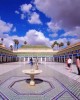
Private tour in Casablanca - Morocco Grand Tour
Day 1: Casablanca Arrive at Casablanca Mohammed V International Airport. Transfer to your hotel and relax. Visit the magnificent Hassan II Mosque -
Special Offer!
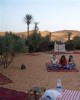
Private tour in Fez - Morocco Private Desert Tours
Day 1: Fes - Midelt – Merzouga 2Leave Fes and its intricate cloud of roads means somehow regain orientation. It's off to the desert. And the jo
Quick tours search
Tour Categories
- Any tour category in Morocco
- Adventure tour in Morocco
- Arts and Crafts tour in Morocco
- Culture and History tour in Morocco
- Excursion in Morocco
- Expedition in Morocco
- Gourmet & Cooking tour in Morocco
- Hiking tour in Morocco
- Jeep tour in Morocco
- Private tour in Morocco
- Safari in Morocco
- Shopping tour in Morocco
- Sightseeing Nature tour in Morocco
- Walking tour in Morocco
Private Guide in Morocco

Mustapha
Private Guide in Marrakech
My name is Mustapha. I am your guide and will support you during the tour. I promise you are going to enjoy your stay here in Morocco. This is a beautiful, quiet country where ... Read more
Tour in Kenya
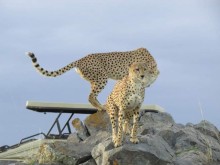
14-Day Discover Masai Mara Amboseli Serengeti Ngorongoro crater Zanzibar Beach Safari
Safari in Nairobi
Lake Nakuru is famous for its millions of flamigoes and migrant birds from over the world; in Nakuru we have upto 425 different bird species. You will leave back to the hotel before dark for your dinner and overnight at you lodge Read more