


 French
 Spanish
 Russian
Brussels Belgium : Tours and Excursion
History & Origins
The Royal Galleries were designed by architect Jean-Pierre Cluysenaar and inaugurated in 1847. The project was inspired by the Italian gallerias and aimed to create a luxurious shopping experience in the heart of Brussels. The arcade quickly became a popular destination for the city's elite.
During the 19th century, The Royal Galleries were a hub for cultural and social activities, hosting theaters, cafes, and boutiques. The arcade survived both World Wars and remains a symbol of Brussels' architectural heritage.
In 1986, The Royal Galleries were designated as a protected monument, ensuring their preservation for future generations.
Architecture & Features
The Royal Galleries are characterized by their neoclassical architecture, with ornate facades and decorative elements. The glass roof, supported by iron frames, creates a bright and airy atmosphere inside the arcade.
The arcade's interior features marble floors, elegant storefronts, and intricate detailing. The design reflects the opulence of the 19th century, making it a unique architectural landmark in Brussels.
Legends & Facts
The Royal Galleries were the first shopping arcade in Europe to be illuminated by gas lighting, a technological innovation at the time.
The arcade has been featured in several films and literary works, cementing its place in popular culture.
The Royal Galleries were a favorite spot of famous Belgian poet Charles Baudelaire, who often visited the arcade during his time in Brussels.
Tourist Tips
Visitors should take their time to explore the various shops and cafes within the arcade. The Galerie du Roi and Galerie de la Reine are particularly noteworthy for their historical significance.
Photography is allowed, and the arcade's architecture provides excellent opportunities for capturing the essence of Brussels.
Nearby
- Grand Place: The central square of Brussels, known for its stunning architecture and historical significance.
- Manneken Pis: A famous bronze statue of a little boy, a symbol of Brussels' irreverent spirit.
- Brussels City Museum: A museum showcasing the history and culture of Brussels.
- St. Michael and St. Gudula Cathedral: A Gothic cathedral with beautiful stained glass windows.
- Atomium: A unique structure representing an iron crystal magnified 165 billion times.
Practical FAQ for Travelers
What are the opening hours?
The Royal Galleries are open daily from 8:00 AM to 10:00 PM.
Is there an entrance fee?
No, entry to The Royal Galleries is free.
What is the best time to visit?
Early morning or late afternoon is ideal to avoid crowds.
Are pets allowed?
Yes, pets are allowed in the arcade.
Is the arcade accessible for wheelchair users?
Yes, The Royal Galleries are fully accessible.
The Royal Galleries: Private tours and Excursions.
-
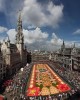
Culture and History tour in Brussels - Brussels classical
Brussels is more than a 1000 years old. Today the name Brussels stands for an agglomeration of 19 communes forming one of the three Regions of the fed
Quick tours search
Tour Categories
Private Guide in Belgium
Mike
Private Guide in Brussels
40 years of tourism and hotel business experience. Private guide Mike is devoted to providing his guests with a memorable experience that exceeds all their expectations. Read more