


 French
 Spanish
 Russian
Private guide in Vrsac, guided tours in Vrsac, Serbia

Vrsac
Serbia
Language: Serbian
Currency: Euro (EUR)
Information about Vrsac
Vršac is one of the most colorful and culturally rich towns in Vojvodina, nestled at the foot of the Vršačke Planine mountain range in southeastern Serbia’s autonomous province. This picturesque town blends Hungarian heritage, Serbian tradition, and the multicultural spirit of the region: vineyards climb gently toward rocky peaks, Baroque facades stand beside contemporary art installations, and the air carries the aroma of homemade pastries and oak barrels. Vršac is renowned as the wine capital of Vojvodina—home to the legendary “Bermet,” an aromatized dessert wine—and as a hub of artisanal culture, where embroidery, ceramics, and woodcarving are passed down through generations. It’s especially appealing to travelers seeking an authentic, intimate experience—free from crowds, yet rich in local immersion.
The town is ideal for gourmands, wine lovers, families, and those who appreciate quiet cultural retreats. Here, you can climb a mountaintop tower for panoramic views, taste dishes from ancestral recipes, join a pottery workshop, or simply relax in a cozy wine bar with live music. Yet Vršac’s true richness lies not in its facades, but in personal stories, family traditions, and private cellars inaccessible to standard tours. That’s why more visitors choose a private guide in Vršac—not just to sightsee, but to unlock doors into artisans’ homes, winemakers’ vaults, and oral history archives.
What are Vršac’s key landmarks, and which travelers will find them most compelling?
Here are ten essential sites that capture the town’s soul:
- Tower on Vršačke Planine — viewpoint at 641 m offering a panorama across three countries: Serbia, Romania, and Bulgaria;
- “Vršački Podrum” Winery — historic 1878 cellar producing the famed “Bermet,” a spiced dessert wine;
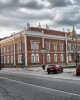
- Town Hall — 19th-century Neo-Baroque masterpiece with a clock tower and grapevine motif on its coat of arms;
- Vojvodina Museum in Vršac — exhibits on archaeology, ethnography, and regional winemaking history;
- Church of St. Archangel Michael — Orthodox church with Baroque-style frescoes and a carved iconostasis;
- “Kod kapije” Park — scenic green zone near the old town gates, shaded by century-old chestnut trees;
- “Nada Matić” Gallery — contemporary art space in a former school, showcasing local artists;
- “Stara Vršačka Kuća” Ethno-Village — reconstructed 19th-century homestead with pottery, weaving, and open-hearth cooking;
- Lipovača Cave — karst cave with an underground stream and stalactite formations (10 km from town);
- “Pijaca kod crkve” Market — farmers’ market offering homemade cheese, honey, dried paprika, and hand-labeled wine bottles.
Why does exploring Vršac with a private guide reveal far more than independent touring?
Many valuable sites—such as private wine cellars with 1950s barrels, family embroidery studios, or archives of the Vršac Winegrowers’ Society—are not open to the public and require personal connections. Private guides in Vršac arrange exclusive Bermet tastings from historic casks, meetings with master potters, guided cave visits with geologists, and access to rare documents on the town’s Hungarian era. A private guide in Vršac explains why the Bermet recipe is unique to this location, how grape growers once predicted harvests by bird behavior, and what symbols are hidden in traditional embroidery. For extended itineraries like “Vojvodina: Vršac–Bela Crkva–Pančevo,” experienced private guides in Serbia offer gastronomic and craft-focused tours tracing the region’s multicultural legacy.
When is the best time to visit Vršac, and what languages are spoken locally?
Ideal seasons: May–June and September–October—vineyard blooms, harvest time, and the “Bermet Days” festival (September). July–August is warm and features the “Vršac Wine Festival” with open-air tastings. Winters are cozy: Christmas market at the Town Hall, mulled wine with cinnamon. Official language: Serbian; due to the multiethnic population (Hungarians, Romanians, Slovaks), Hungarian and Romanian are widely spoken. English is common in the center and wineries; some understand Russian. For deeper immersion, choose a private guide in Vršac fluent in multiple local languages.
What local dishes should you try, where to shop, and what souvenirs make meaningful keepsakes?
Must-tastes: gombóc (Hungarian meat dumplings), paprikaš with homemade noodles, kukuruzna supa (corn soup), homemade šljivovica, and of course Bermet—classic or modern (orange zest, walnut-infused). For shopping: hand-thrown ceramics with grape motifs, embroidered “Vršac flower” tablecloths, artisan-labeled Bermet bottles, copper coffee pots, and carved wooden cutting boards. Note: Exporting antiques over 100 years old, rare cave minerals, or Austro-Hungarian/Ottoman coins without a permit from Serbia’s Ministry of Culture is prohibited.
What clothing and etiquette should visitors observe in Vršac?
Summer: light cotton clothing, hat, sturdy shoes for the mountain climb (steep, gravel paths). In churches: shoulders and knees covered. Avoid photographing war memorials while holding flags without permission, don’t offer money for photos with locals (may be seen as offensive), and always greet shopkeepers—“Zdravo” (Serbian) or “Szervusz” (Hungarian) opens doors wider.
How safe is Vršac, and what evening and family-friendly activities are available?
Exceptionally safe—low crime, friendly police, clean streets. Potential issues: language barriers in rural areas and heat exhaustion on the mountain hike. Evenings offer park strolls, wine-bar dinners with live Hungarian music, and open-air cinema by the Town Hall. For children: pottery workshops at the ethno-village, the “Grape Hunt” interactive vineyard game, and visits to the mini-zoo near Lipovača.
Who lives in Vršac, what’s the environmental situation, and how do you get there?
Population: ~35,000. Multiethnic: Serbs (~55%), Hungarians (~25%), Romanians, Slovaks, Roma. Religions: Orthodox Christianity, Catholicism, Protestantism. Environmental quality is excellent—mountain air, low-chemical vineyards, and conservation programs for caves and forests. Nearest international airport: Belgrade “Nikola Tesla” (BEG), 80 km away. From BEG: bus (1.5 hrs, “Lasta” company), taxi (~€60), or rental car via A1 highway. Alternatively, Timișoara Airport (TSR), Romania, 70 km (note visa requirements). Many private guides in Serbia offer narrated transfers with stops—e.g., at Mesich Monastery or Bela Crkva wineries.
Why is Vršac more than a wine town—a cultural crossroads where worlds converge in harmony?
Vršac is where East and West, mountains and plains, tradition and modernity meet—not in conflict, but in dialogue. Here, wine is made by 19th-century recipes but served in glasses with QR codes linking to barrel histories. Embroidery isn’t just decoration—it’s a language through which generations speak of love, faith, and land. To visit is not just to taste Bermet, but to understand how flavor can be memory, and a mountain—more than a viewpoint, a vantage over time itself.
What are 5 under-the-radar reasons to visit Vršac—rarely mentioned in guides?
- The only place in the world producing “Bermet” under its original 1878 patent—an EU-protected geographical indication;
- A “human telescope” town—from the mountain tower, 3 countries and 12 settlements are visible on clear days;
- Living “grapevine embroidery” school—patterns mimic vine, cluster, and root forms; each family has its own stylistic signature;
- Culture of “quiet pride”—locals don’t advertise their crafts but gladly share them when met with genuine interest;
- One of few Serbian towns with trilingual signage—Serbian, Hungarian, Romanian—as tribute to neighbors and shared history.
What fresh, insider tips do private guides in Vršac recommend for 2025?
- Book “Evening by the Barrel”—a candlelit Bermet tasting in the old cellar with the winemaker’s vintage stories (reservation required 3 days ahead);
- Visit Bela Crkva’s market on Wednesday mornings for rare paprika varieties and dried quince for winter compotes;
- Use the “Vršac Trail” app—it shows not only hiking paths but also grape bloom times and ethno-village workshop schedules;
- During “Bermet Days” (September), ask private guides in Vršac to include a “Quiet Vineyard Picnic”—a private tasting in a secluded vineyard with folk songs, away from crowds;
- For families: request the “Grapevine Quest”—kids receive a map to find 5 “harvest symbols” (bird, barrel, spade, etc.), photograph them, and assemble Vršac’s virtual coat of arms.

 $190
$190 7-10 hours