

 French
 Spanish
 Russian
Private guide in Gizo, guided tours in Gizo, Solomon Islands

Gizo
Solomon Islands
Language: English
Currency: Solomon Islands dollar (SBD)
Information about Gizo
Gizo, located on Ghizo Island in the Western Province of the Solomon Islands, is a picturesque tropical town and the gateway to one of the Pacific’s most pristine destinations. Here, vibrant coral reefs, relics of WWII shipwrecks, and authentic Melanesian traditions converge in harmony. The town appeals to divers, historians, cultural explorers, and travelers seeking unspoiled, low-impact experiences — far from mass tourism. There are no high-rise resorts or crowded promenades; instead, visitors encounter raw natural beauty, genuine hospitality, and rare insight into island community life.
Gizo’s top attractions cater to curious, active travelers who value authenticity over convenience. Highlights are especially compelling for diving enthusiasts, history buffs, and cultural anthropologists. Key sites worth visiting include:
- Kene Kene Reef — a vast barrier reef teeming with marine life, ideal for diving among reef sharks and sea turtles.
- Kennedy Island (Kasoloa) — where future U.S. President John F. Kennedy and his PT-109 crew took refuge; features a memorial and remnants of their temporary camp.
- PT-109 Memorial — a tribute to the 1943 incident and the local islanders who aided the crew’s rescue.
- Gizo Market — the social and commercial heart of town, offering tropical fruits, coconut oil, hand-carved souvenirs, and woven crafts.
- Nusa Rova Island — a serene private island with powdery beaches, offering eco-tours and cultural exchanges with local families.
- Wangavanga Island — a volcanic islet hosting dive centers and serving as a launch point to wartime wrecks.
- Japanese Destroyer ‘Akebonomaru’ Wreck — a popular dive site at 20–30 m depth, with visible cannons and intact cabins.
Why should you explore Gizo on Ghizo Island with a private guide?
Due to limited infrastructure and infrequent inter-island transport, independent travel between reefs and villages can be challenging. Trails are rarely marked, and boat transfers often depend on local schedules. A private guide in Gizo ensures reliable logistics, safety, and deeper cultural understanding — explaining the meaning behind carvings, dances, or exchange ceremonies. Only with a guide can you respectfully access village events (by invitation), meet local chiefs, and discover hidden natural gems, like nesting sites of the endangered Santa Cruz shrikebill.
When is the best time to visit Gizo on Ghizo Island?
The dry season (May to October) offers the most pleasant conditions: lower humidity, temperatures of 26–30°C, and calm seas — perfect for diving and island-hopping. The wet season (November–April) brings lush greenery and fewer visitors but includes sporadic heavy rains and occasional cyclones.
What languages are spoken in Gizo on Ghizo Island?
English is the official language, but Solomon Islands Pijin is the lingua franca in daily life. Local vernaculars — such as Ghizo, Roviana, and Marovo — are spoken in surrounding villages. Learning a few Pijin phrases (e.g., “tenkyu” = thank you) greatly enhances interactions.
What local dishes should you try in Gizo on Ghizo Island?
Must-tries include coconut crab cooked in an earth oven (“mu’a”), grilled reef fish with taro and plantains, and “pulu pulu” — a creamy mix of pounded taro, coconut milk, and seafood. While resorts offer simplified versions, the most authentic meals occur during pre-arranged village lunches. For drinks, enjoy fresh sugarcane juice or straight-from-the-nut coconut water.
What shopping options exist in Gizo on Ghizo Island, and what’s prohibited for export?
Souvenirs include hand-carved wooden masks and canoes, pandanus-weave baskets, and shell or pearl bracelets. Export restrictions apply to corals, turtle shells, rare hardwoods (e.g., *Agathis*), and cultural artifacts — permits from the Ministry of Culture are mandatory. All turtle-derived products are banned under CITES.
What clothing and footwear are recommended for Gizo on Ghizo Island?
Pack light, breathable natural fabrics (cotton, linen), sun protection (hat, sunglasses, SPF 50+), and water-friendly sandals for reef walks and boat transfers. For village visits, wear modest attire covering shoulders and knees. A compact rain poncho is wise for sudden tropical showers.
What currency is used in Gizo on Ghizo Island, and should you exchange money in advance?
The Solomon Islands Dollar (SBD) is used. Carry cash in Australian Dollars (AUD) — accepted at some hotels — as local exchange options are scarce (mainly at Gizo Hotel). ATMs are virtually nonexistent, and credit cards are rarely accepted outside major lodges.
What etiquette rules should visitors follow in public spaces in Gizo on Ghizo Island?
Always ask permission before photographing people or sacred objects. Avoid pointing with fingers — it’s considered rude. Small gifts (e.g., tobacco, fabric, or fishing hooks) are appreciated when visiting a village and should be presented to the chief via a local intermediary. Loud voices or rushing are seen as disrespectful.
How safe is Gizo on Ghizo Island, and what challenges might tourists face?
Crime is rare, though petty theft from unattended boats can occur. Greater risks are environmental: sunburn, dehydration, jellyfish stings, or sea urchin injuries. Medical facilities are basic; serious cases require evacuation to Honiara. Evening walks in the town center are generally safe, but avoid isolated areas after dark.
What can you do in the evenings in Gizo on Ghizo Island, and is it family-friendly?
Evenings offer bioluminescent plankton tours, informal local music gatherings (often Fridays near Gizo Hotel), or storytelling with fishermen. Kids enjoy feeding fish from pontoons, crafting bracelets with village girls, and “hunting” fireflies in coastal groves. Note: stroller access is impractical due to uneven paths.
Who lives in Gizo on Ghizo Island, and what are the religious and ecological conditions?
The population is ~8,000, mostly Melanesian. Christianity (Anglican and Catholic) predominates, though traditional beliefs persist. Ecologically, the region is a model of sustainability: community-managed marine protected areas (e.g., *Marine Managed Areas*) prohibit destructive fishing and coral harvesting, with locals actively monitoring reef health.
How do you reach Gizo on Ghizo Island?
Fly first to Honiara International Airport (HIR) via Brisbane, Port Moresby, or Nouméa. Then take a 45-minute domestic flight with Solomon Airlines to Nusatupe Airport (GZO) on tiny Nusatupe Island — connected to Ghizo Island by a short causeway. From the airport, a 10-minute boat ride or causeway walk brings you to Gizo town. Ferries from Munda (2–3 hours) are an alternative but operate irregularly.
Why should you visit Gizo on Ghizo Island?
Gizo offers a rare glimpse of the Pacific as it existed decades ago — untouched by overtourism, deeply connected to its heritage and environment. Here, every sunset feels ceremonial, every tide reveals new pathways, and every encounter tells a story. A private guide in Gizo transforms your journey from sightseeing to meaningful immersion. For those seeking experience over escape, Gizo stands out as unforgettable. If extending your trip across the archipelago, private guides in the Solomon Islands can seamlessly connect Gizo with Marovo Lagoon or the wilderness of Tetepare and Uki Islands. Choosing a private guide in Gizo also supports community-based tourism — many guides are locals reinvesting earnings into education and conservation. For a final adventure, book private guides in Gizo for an exclusive expedition to remote Low Island’s untouched reefs. And remember: a skilled private guide in the Solomon Islands ensures not just comfort, but culturally respectful and environmentally conscious travel.
5 Reasons to Visit Gizo on Ghizo Island
- WWII Wreck Diving — dozens of exceptionally preserved sunken ships and aircraft.
- Authentic Melanesian Culture — real ceremonies and daily life, not staged performances.
- Community-Led Conservation — opportunities to join turtle monitoring or reef restoration.
- True Seclusion — even in peak season, you’ll often have beaches and dive sites to yourself.
- PT-109 Legacy — one of the world’s few places where JFK’s wartime survival story comes alive.
Our Unique Tips for Travelers to Gizo on Ghizo Island
- Opt for a “skills exchange” instead of a standard tour — e.g., help harvest taro in return for a traditional carving lesson.
- Pack a portable water filter — tap water, even in lodges, is often not potable.
- Limit your daily itinerary to 1–2 activities — island time is slow, and over-scheduling undermines connection.
- Bring spare reading or sunglasses — highly valued gifts for elders, teachers, and fishers.
- Avoid Monday flights — domestic services are frequently canceled for post-weekend maintenance.
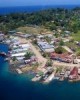
Private Guide in Gizo - Dive
(Member Since 2009) Excursions/tous in the following cities: Gizo Languages: EnglishWe offers exciting diving just minutes from Gizo. Opened in 1985 by Danny and Kerrie Kennedy, we maintains the standards of excellence in diving, while making every trip exciting and relaxing. We are the only...

 from EUR 67
 7 hours