

 French
 Spanish
 Russian
Private-Guides.com – For private guides or private tours we’ve got Asia covered
Private Guide in Korea South
Charlie
Private Guide in Seoul
I have live in Seoul. In Seoul, I’ve sought out the most interesting temples, gardens, nightlife districts and fascinating urban landscapes. Read more
Best Guides in Asia


Popular Tours in Asia
 One-Day Express
Shanghai, China Day Trip to Zhujiajiao Water Town With Secret Places and Food
Shanghai, China Aqaba To Petra Day Tour Independent-Private Tour
Petra, Jordan Ramat Rachel & The history of Jerusalem
Jerusalem, Israel Beijing 4 Full Days Private Tour to All Highlight Attractions (price is for each day)
Beijing, China Tailor-made Beijng and China excursion
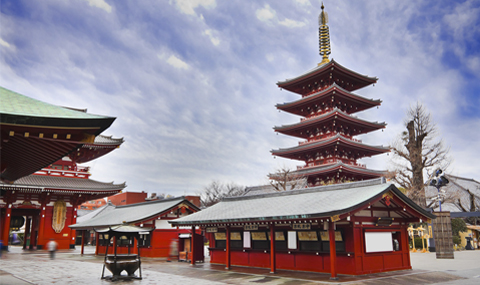
Beijing, China Yokoso Japan Tour - From Osaka to Tokyo in 7 Days
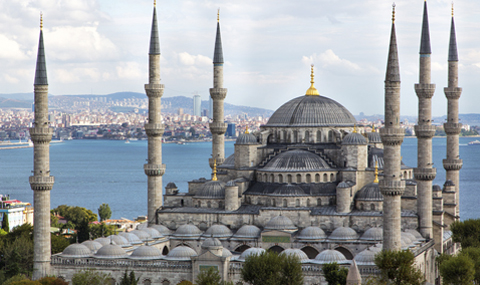
Osaka, Japan Istanbul in Sultanahmet Old City-Private Tour
Istanbul, Turkey
Latest Tourist Opinion about Travel to China:

Highly recommended! We had two full days with Harris in Shanghai. He was an excellent guide with deep knowledge of the city, the history, the culture and the food. We used hired and public transportation to get a feel for the city. We walked the main sites, the Bund, several museums, landmarks, tried different foods, walked the alleys where the average resident lives and got a feel for the daily life in this great city. It was an enriching experience. Harris adapted to our pace, endured heat and rain, and explained so many things happening around us which are impossible for a foreigner ...
New Guides in Asia:
New Tours in Asia:
- Private tour in Shanghai, China - Day Trip to Zhujiajiao Water Town With Secret Places and Food
- Private tour in Huangshan, China - China's Yellow Mountain & Hongcun Village
- Private tour in Shanghai, China - One-Day Shanghai Highlight Sightseeing with Food Tasting Experiences
- Walking tour in Beijing, China - Private Summer Palace Walking Trip-Entrance Fee included
- Culture and History tour in Karachi, Pakistan - 22 Days Pakistan Tour1. MYSTIC SAFARI SOUTH TO NORTH OF PAKISTAN
 Beijing Beyond the Palace Walls
 Why is Bali a world destination called the last paradise?
 China in Wintertime: An Amazing Wonderland
 Evening Activity: Liu Sanjie Sound and Light Show
 The most exciting things to do in Istanbul
 Shanghai interpreter, Shanghai translator, guide, China translator,China interpreter,tour guide, Ningbo translator, Ningbo interpreter,Hangzhou transl, Shanghai, China, shanghai,hangzhou,suzhou,ningbo,beijing,guangzhou,shenzhen
 Guiding my Netherlands guests cycle through Shanghai old neighborhoods, Shanghai, China, Historical community
 Dress up in traditional Chinese costume, Suzhou, China, Tongli Water Town
 The Corner Towers of the Forbidden City, China
 Culture called Barong Dance, Indonesia, Culture called Barong Dance
 Beautyful, Yangshuo, China, Beautyful
 Elephants., Hikkaduwa, Sri Lanka
 Borobudur temple, Jogja, Indonesia, Central Java, Indoneisa
 Textile souk, Dubai, United Arab Emirates, Bur Dubai
 A tour of Highlights of Istanbul - St Sophia Museum, Istanbul, Turkey