


 French
 Spanish
 Russian
Morocco : Tours and Excursion
Attention!!! There are tours with discounts.
University of al-Qarawiyyin
The University of al-Qarawiyyin, located in Fes, Morocco, is recognized by UNESCO and the Guinness World Records as the oldest existing, continually operating higher educational institution in the world. Founded in 859 AD by Fatima al-Fihri, the university has played a significant role in the intellectual and cultural history of the Islamic world.
History & Origins
The University of al-Qarawiyyin was established as a mosque and educational institution by Fatima al-Fihri, a wealthy woman of Tunisian origin. Over the centuries, it has served as a center for learning in various fields, including theology, law, and the sciences. The university has attracted scholars from across the Muslim world and beyond, contributing to the spread of knowledge and culture.
Architecture & Features
The university's architecture is a testament to the rich Islamic heritage of Morocco. The main mosque features a large courtyard surrounded by arcades, with a minaret that offers panoramic views of the city. The library, which houses thousands of ancient manuscripts, is a highlight of the university and is considered one of the oldest libraries in the world.
Legends & Facts
One of the most notable facts about the University of al-Qarawiyyin is that it has been a center of learning for over a millennium, making it a living testament to the enduring legacy of Islamic education. The university has produced many notable scholars, including the philosopher Ibn Rushd (Averroes) and the geographer al-Idrisi.
Tourist Tips
Visitors to the University of al-Qarawiyyin should take the time to explore the mosque and library, which are open to the public. Guided tours are available, providing insights into the history and significance of this ancient institution.
Nearby
- Nejjarine Square: A historic square known for its beautiful fountain and traditional architecture.
- Bou Inania Madrasa: A historic Islamic school with stunning architectural details.
- Chouara Tannery: A traditional tannery where leather is processed using ancient methods.
- Bab Bou Jeloud: The iconic blue gate that serves as the main entrance to the medina.
- Dar Batha Museum: A museum showcasing Moroccan arts and crafts.
Practical FAQ for Travelers
What are the opening hours of the University of al-Qarawiyyin?
The university is open to visitors from 9 AM to 5 PM, but the mosque and library may have different hours.
Is there an entrance fee?
There is no entrance fee for the university, but donations are appreciated.
What is the best time to visit?
The best time to visit is early morning or late afternoon to avoid the midday heat.
Are there any dress code requirements?
Visitors are advised to dress modestly, respecting local customs and traditions.
Is the university accessible for people with disabilities?
The university is partially accessible, but some areas may be challenging due to uneven surfaces.
University of al-Qarawiyyin: Private tours and Excursions. Hurry up and book a tour with a discount.
-
Special Offer!

Private tour in Casablanca - Casablanca Private Morocco Tours
Day 1: Casablanca – Meknes – Volubilis – Fes. Day 2: Exploring Fes. Day 3: Fes – Ifrane – Azrou – Errachid -
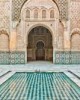
Culture and History tour in Fez - Fes Private Cultural Tour
Explore Fez and its enthralling tradition The perfect day in Fez starts with the heart of the old town, Fez El Bali. Bab Boujloud; enjoy an ama -

Culture and History tour in Marrakech - From Tangier to Fes, Marrakech & Merzouga,...
Atlas Mountains, sophisticated Moorish culture and the complex soul of Morocco The Middle Atlas mountain region is in total contrast to the sophistic -
Special Offer!
Culture and History tour in Casablanca - Luxury Morocco tours
Marrakech is one of the four Moroccan imperial cities. Some people know it simply as the “Ochre City”. It is worth noting that it is consi -
Special Offer!

Culture and History tour in Casablanca - Marrakesh & The Kasbah trial
Day 1: Casablanca – Rabat: Upon arrival, we’ll collect you and drive to Casablanca where you’ll visit the Hassan II Mosque, the lar -
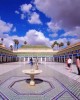
Private tour in Casablanca - Morocco Grand Tour
Day 1: Casablanca Arrive at Casablanca Mohammed V International Airport. Transfer to your hotel and relax. Visit the magnificent Hassan II Mosque -
Special Offer!
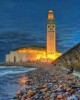
Private tour in Casablanca - Morocco Grand Tour
Jrana Morocco Tours MoroccoGrand Tour This16days expeditionincludes thehighlightsofMorocco.Theguided tourstarts and ends inCasablanca. Itincludesthe -
Special Offer!

Adventure tour in Casablanca - Morocco in depth 11 Days private tour
This private tour lasts for 11 days, and it will be a unique opportunity for you to immense in the exotic world of shake-charmers, camel ride over the -
Special Offer!
Private tour in Casablanca - Wow Morocco only for women
Step back in time as you discover the ancient imperial cities and Berber villages of Morocco. Inhale the exotic spices at the souks, experience the ca -
Culture and History tour in Casablanca - Imperial Cities and desert
This tour lasts for 11 days so make sure you have enough time at your disposal. During these 11 days you will have a unique opportunity to discover on -
Expedition in Fez - Desert expedition 3 night and 4 days trip from Fes to Marrakech
This tour lasts for 4 days so make sure you have enough time at your disposal. During these four days you will have an opportunity to immense into the -
Walking tour in Fez - Fez sightseeing
Fes is one of the four imperial cities. It means that is used to be the capital of the kingdom of Morocco during a certain period. Nowadays it is cons
Quick tours search
Tour Categories
- Any tour category in Morocco
- Adventure tour in Morocco
- Arts and Crafts tour in Morocco
- Culture and History tour in Morocco
- Excursion in Morocco
- Expedition in Morocco
- Gourmet & Cooking tour in Morocco
- Hiking tour in Morocco
- Jeep tour in Morocco
- Private tour in Morocco
- Safari in Morocco
- Shopping tour in Morocco
- Sightseeing Nature tour in Morocco
- Walking tour in Morocco
Private Guide in Morocco

Mustapha
Private Guide in Marrakech
My name is Mustapha. I am your guide and will support you during the tour. I promise you are going to enjoy your stay here in Morocco. This is a beautiful, quiet country where ... Read more
Tour in Kenya
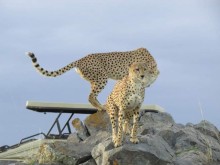
14-Day Discover Masai Mara Amboseli Serengeti Ngorongoro crater Zanzibar Beach Safari
Safari in Nairobi
Lake Nakuru is famous for its millions of flamigoes and migrant birds from over the world; in Nakuru we have upto 425 different bird species. You will leave back to the hotel before dark for your dinner and overnight at you lodge Read more