


 French
 Spanish
 Russian
Private guide in Verona, guided tours in Verona, Italy

Verona
Italy
Language: Italian
Currency: Euro (EUR)
Information about Verona
Verona is a picturesque city in northern Italy, known for its romantic atmosphere, rich historical heritage, and charming Italian provincial life. Located in the Veneto region, it is famous not only as the legendary home of Romeo and Juliet, but also as a major cultural and gastronomic center. Here, you can walk along medieval streets, attend opera festivals, taste Valpolicella wines, and simply enjoy the peace of Italian squares. Verona is the real Italy — away from the noise of mass tourism, full of history and authenticity.
The city is ideal for lovers, families, history buffs, and fans of Italian cuisine. Verona combines ancient architectural landmarks, wine cellars, and scenic nature. It’s not just a stop on the way to Venice or Milan — it’s a destination in its own right, offering unforgettable experiences and inspiration.
What Are the Main Attractions in Verona?
- Verona Arena — an ancient Roman amphitheater that seats up to 20,000 visitors.
- Juliet’s House — the famous house with the balcony linked to the romantic legend.
- San Zeno Basilica — a stunning church with a rich interior and a legend of miracles.
- Castelvecchio — a medieval fortress with a museum and historic stone bridge.
- Piazza Bra — the main city square with a fountain and architectural masterpieces.
- Teatro Ristori — a historic theater hosting plays and cultural events.
- Museum of Romeo and Juliet — an exhibition dedicated to Shakespeare’s famous tragedy.
- Ponte Pietra Bridge — an ancient Roman bridge crossing the Adige River.
- Piazza degli Arche Scaligeri — the square where the famous Arche family home stands.
- Gardens of Castel San Pietro — green spaces offering panoramic views of the city and river.
Why Choose a Private Guide in Verona?
Private guides in Verona will help you discover hidden corners of the city that most tourists never see. They’ll share little-known historical facts, show authentic places, and tailor the route to your interests. Private guides in Italy often have personal connections with locals, giving access to unique events and tastings. This is especially valuable in such a culturally rich city, where independent sightseeing can be limited.
When Is the Best Time to Visit Verona?
The best time to visit is from April to June and from September to October. The weather is mild, and the tourist flow is moderate, making it perfect for excursions and outdoor experiences. Summers are busy and hot, so for more privacy, consider visiting in spring or autumn. Winter is cooler, but the city remains interesting — especially for wine tastings and winter festivals.
What Languages Are Spoken in Verona?
The main language is Italian. However, in tourist areas, many hotel, restaurant, and shop staff speak English. Some also speak French or German. Knowing a few Italian phrases can help when communicating with locals outside tourist zones.
What Should You Eat in Verona?
Venetian cuisine is a unique blend of fresh vegetables, cheese, homemade pasta, and of course, wine. Be sure to try pasta with local herbs, polenta with stew, and the famous Valpolicella wine. Also, don’t miss the traditional tiramisu and local cheese with jam.
How Is Shopping in Verona?
Verona is a great place to buy unique handmade souvenirs. You can find wine, olive oil, crafts, ceramics, and textiles. The city center has many family-run shops and street markets offering fresh produce and authentic items.
What to Bring Home from Verona and What Not to Export?
As souvenirs, consider a bottle of Valpolicella wine, olive oil, ceramic items, jewelry, and textiles. You cannot export antiques without permits, archaeological finds, or certain protected species of animals or plants.
What Clothing and Shoes to Bring to Verona?
In summer — light clothing, a hat, sunglasses, and comfortable shoes for walking on cobblestone streets. In spring and autumn — a light sweater or jacket. In winter — a warm sweater and waterproof jacket. Footwear should be comfortable — the city has many hills and pedestrian zones.
What Currency Is Used in Verona and Should You Exchange Money?
The currency is the euro (EUR). It’s best to exchange money at banks or exchange offices. Credit cards are accepted in most tourist areas, but having cash is always useful, especially in remote villages and markets.
What Are the Public Behavior Rules in Verona?
Locals value politeness and respect. In churches, dress modestly — covered shoulders and knees. Loud talking in restaurants is not common. Littering and smoking in public places are not recommended.
How Safe Is Verona for Tourists?
The city is considered very safe. Crime is extremely low, and tourists can walk freely even in the evening. However, it’s wise to be cautious with personal belongings in crowded places and avoid leaving bags unattended.
What Problems Might Tourists Face in Verona?
Common issues include high accommodation prices in summer, limited hotel availability during peak season, and crowded attractions during peak hours. Also, the city center has many pedestrian zones, so reaching some areas may require walking.
What to Do in the Evening in Verona?
In the evening, attend an open-air opera, enjoy dinner at a restaurant with Valpolicella wine, or take a walk through the illuminated streets. Wine tastings in family-run cellars and cozy evenings in historic buildings are also popular.
Is Verona Interesting for Children?
Yes, Verona is great for families with children. There are parks, open-air museums, kid-friendly tours, and opportunities to visit a zoo or local farms. However, note that there are few amusement-style attractions — more culture, history, and nature.
Who Lives in Verona and What Religion Is Predominant?
The population is around 260,000 people. Catholicism is the main religion. Residents are mostly Italians, many of whom have lived here for generations and speak the Venetian dialect.
How Is the Ecology in Verona?
The city is known for its clean streets, well-maintained parks, and environmental care. Authorities actively support eco-friendly initiatives, promote eco-tourism, and limit plastic use.
Which City and Airport Should You Fly Into to Reach Verona?
The nearest airports are Verona (VRN), Milan (MXP, LIN), and Venice (VCE). From there, you can reach Verona by train, bus, or rented car. Alternatively, you can fly into Rome or Florence and travel north into the Veneto region by train or coach.
Why Visit Verona?
Verona is a unique blend of history, culture, and Italian hospitality. Here, you can enjoy peace and quiet, explore ancient amphitheaters, and taste world-famous Italian wines. Private guides in Verona will help you experience the city at its best, and the memories will stay with you forever.
5 Reasons to Visit Verona
- The famous Roman amphitheater and summer opera festivals.
- The legendary love story of Romeo and Juliet and romantic Italian atmosphere.
- Wine tastings and food tours through regional cellars and vineyards.
- Medieval architecture and charming narrow streets of the old town.
- Proximity to Lake Garda and other cultural sites in Veneto.
Our Tips for Tourists in Verona
- Check the opera schedule — tickets sell out quickly during the summer season.
- Book wine cellar visits ahead — many offer guided tours only with prior reservation.
- Visit morning markets — the best selection and prices are available early.
- Use local bike rentals — it's a convenient and eco-friendly way to explore the city.
- Bring a camera — the city offers many scenic spots for photography.

Popular tours in Verona
 €160
€160 2 hours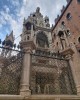
LAST ARTICLES
 Italy's 6 Top Food Markets
 How to find cheap accommodation in Italy
 Top-6 tourist-free beach destinations in Europe
 A Gourmet Look: From Land to Sea in Italy
 Several most popular places to spend your October holidays
 Ponte Pietra, Verona, Verona
 Verona, Verona, Collina di S.Pietro
 Arche Scaligeri, Verona, Verona
 Verona, Verona, Aperitivo
 Castelvecchio, Verona, Verona
 Verona, Verona, Fontana
 Sarcofago Castelbarco, Verona, Verona
 Verona, Verona, Arena di Verona
 Can Granse della Scala, Verona, Veriìona
 verona, Verona, Arche Scaligeri